
Introduction
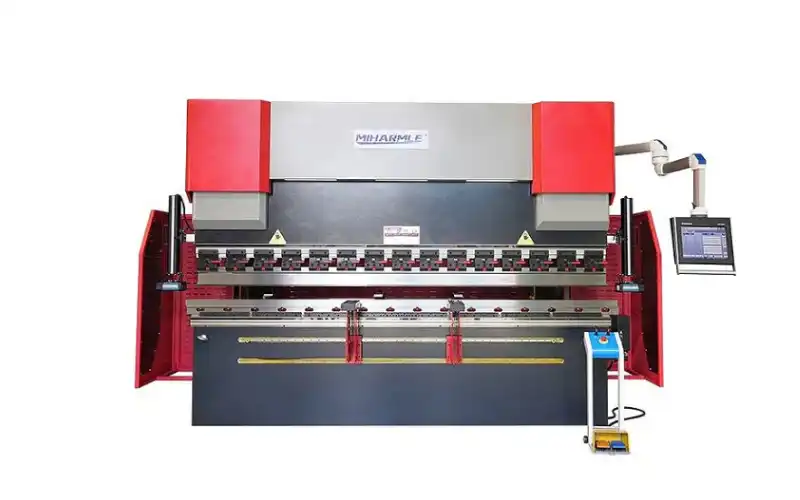
Press brakes are used to bend sheets of metal and apply high levels of force. If the machine is not matched correctly, it will malfunction. A poorly positioned machine is open to blame, but the real problem is a bad setup. It reduces accuracy, increases scrap, damages tools, and wastes time. Know the most frequent errors. This manual highlights common problems and practical fixes. It focuses on practical solutions rather than theory. Regular checking and maintenance help keep the machine in good shape.
Common Press Brake Faults

Inconsistent bending angle
Angle issues mostly occur in press brakes: on one side, the curve can be good, and on the other, it can be bad. This happens when the bed or even the die shoulders wear out. When the wear exceeds 0.1 mm, the terminal angle varies, and if the metal is not the same size everywhere, the bend will differ. The metal has the tendency to return to its original shape when it bends, that is, springback, and metals have various springback. Stainless steel can springback by 6 to 8 degrees, while aluminum can springback by 2 to 4 degrees.
Check your tools often and make sure the angles remain the same at all times; they are not supposed to vary by more than half a degree. Measure the length of the parts at the ends and the middle to identify issues, use the correct die width, and, in the case of steel, the die ought to be approximately eight times the thickness of the metal. Check the angle sensor every forty hours.
Slider misalignment
The ram must remain flat on the machine bed, and if the internal seals are leaking, it can move out of position, which can occur when the machine is switched off. For example, if the pressure is uneven, both sides can bend more than the others, which can cause your tools to twist and be damaged by the metal. If there is too much space in the moving parts, then the ram can move too much, and this creates less accurate bends on your part.
The RAM’s moving parts should be checked, and you must ensure the spaces are as specified by the machine maker. Replace old seals early to prevent the RAM from being damaged, place blocks under the RAM if the machine will be off for some time, and make sure the cylinders move together. Check the oil temperature, as heat may cause the ram to move slightly.
Irregular back gauge dimensions
The back gauge determines the bending position, and if the parts inside are worn or the belts are loose, it will not be accurate. If it is off by more than 0.15 mm after 500 bends, you need to fix it. If the power changes or signals are lost, the back gauge may move incorrectly. Old parts inside make it less accurate in the long term.
Have the back gauge checked monthly and ensure it returns to zero. Replace old nuts and tighten belts if they have more than 3 mm of movement; keep the rails clean and oiled so they move easily; and make sure the die and back gauge are in line with each other.
Part cracks, wrinkles, or wear
Cracks may occur at the bend if it is too sharp; the inside bend should be as wide as the metal’s thickness. Hard metals require larger bends and greater dies, and if the die is too small, the metal may become too thin and crack. Metal may wrinkle if it is not adequately supported during bending, and long pieces of metal require additional support if they are much longer than they are wide.
Keep the tools clean and polished, and do not allow dirt or oil to remain on them. If it is very cold, heat the metal to 150 degrees centigrade before bending, use smooth punches that are not rough, and when punching holes, make them two or three times the thickness of the metal from the edge.
Vibration or unusual noise of the machine
Loud or strange noises suggest something is wrong, and if the machine is louder than 85 decibels, some parts may be worn out. If the valves are slow, the machine may make banging noises, and air in the oil may also cause it to shake.
Check the oil, lubrication, and rails, remove air from the oil lines, and store oil below 45 degrees Centigrade. If you detect a strange noise, stop the machine to check for a problem.
Mold wear or positioning errors
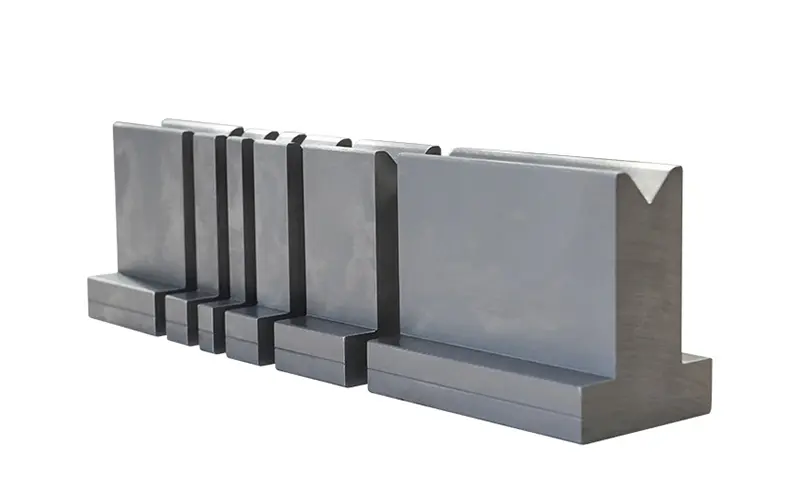
If the tool is broken, then the bend will be less accurate, and its polish will be affected. When the punch tip exceeds 0.2 mm, it must be changed, and when the die is bent by more than 0.3 mm, the angle will result in an error. Bad tools create an additional load.
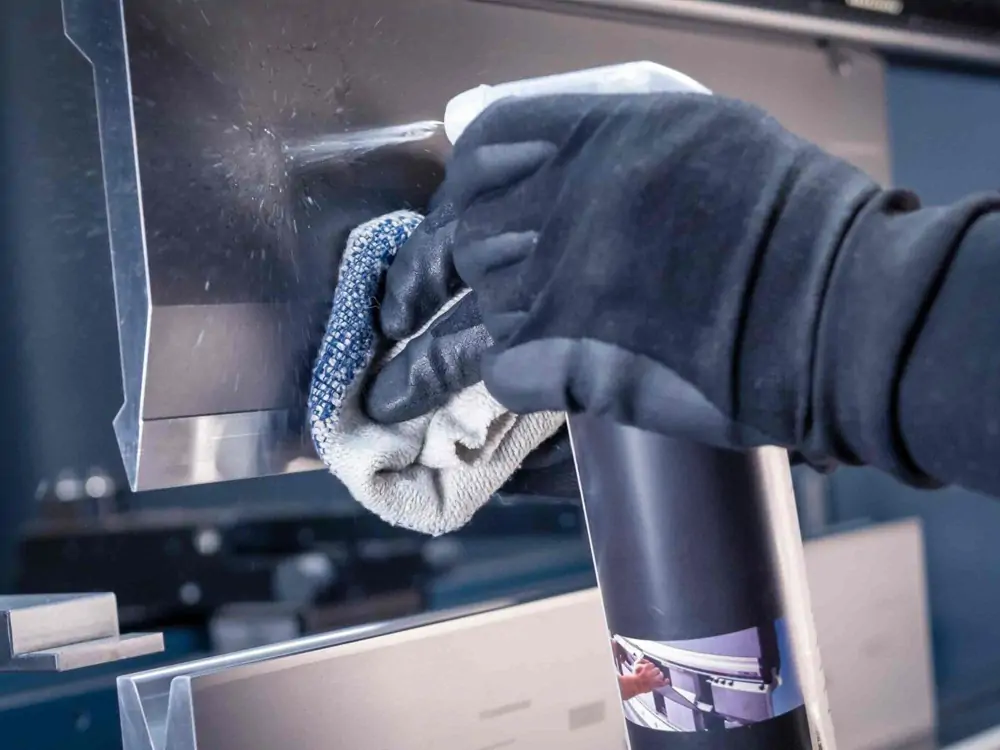
Strong dies range from 40 to 42 on the Rockwell scale, and you should wipe them off before every task to avoid scratching the metal.
Common Hydraulic Press Brake Faults
Oil leaks and pressure failure
To remain strong, the press brake requires oil; if oil spills, the machine will become inoperative. Inspect the seals and valves for cracks, and watch for oil mist appearing as a thin oil layer or oil foam. The machine will malfunction, resulting in pressure too low.
Inability to maintain pressure
There will be a loss of pressure in the machine if the oil holes are blocked, and the bending force could be weak or variable due to faulty valves or a leak inside the house. This can change the angles and reshape the part, so clean the oil holes monthly and inspect the valves.
Thermal expansion effects
The oil expands parts of the machine when its temperature exceeds 50 degrees Celsius, and the tools or ram may shift due to heat. Coolers and temperature watches can help prevent this problem.
Ram drifting from cylinder leakage
With leakage from the cylinder, the ram decelerates even at rest, causing the machine to be unbalanced and to experience imbalanced pressure. Check the internal seals and change those that are broken to avoid severe damage.
Contaminated hydraulic oil
Dirt, water, and small pieces of metal can damage the machine, so change the oil if it has become too dirty or has too much water. Test the oil once or twice per year.
Common Mechanical Press Brake Faults
Excessive bottom stroke load
Mechanical press brakes can press harder than at the bottom of the stroke, and at times the machine pushes two or three times as hard as it normally can. This could cause the bed or ram to bend, as well as tools to break quickly, so for small parts, do not apply more force than the machine can accommodate, and do not go all the way to the bottom.
Worn guide rails and gibs
Dust and insufficient oiling make the moving parts rub excessively, and if there is too much space, the ram may move in the wrong direction, and the bends will not be the same size. It is recommended to make the space as small as possible and oil the parts as the maker says.
Tooling misalignment
If the die is moving or not sitting flat, the tools will not line up, and the back gauge uses the die to determine where to bend the flange, which is done with the punch. If the tools are out of alignment, the bends will be poor. Use special tools to check alignment when setting up.
Ram Upset from Overload
Put too much force in one spot, and the ram or bed can be bent forever, and when the ram is bent, the angle at the middle of the long parts will get bigger. Spread out the force and just use as much of it as you need for each job.
How to Maintain a Press Brake Daily?
Clean machine and tooling
Dirt can scratch metal components and wear out tools, and metal dust can wind its way inside, causing electrical problems. Clean the machine daily before starting work, and wipe off the oil so dust will not stick.
Check lubrication points
The moving parts require oil to work well, and without enough oil, they get hot and wear out fast.
Check the condition of the tooling
Check to be sure the tooling is in good shape. Inspect the punches daily and replace or repair them when they are too worn to repair. Good tools help keep your bends consistent.
Verify hydraulic levels and leaks
Check the oil level, its color, whether it is foamy, and whether it leaks from the hoses or seals. Good oil ensures the machine runs consistently.
Confirm back gauge accuracy
Make a quick test part to check the gauge’s location. Listen for unusual noises or monitor the first gauge to ensure it is moving in the right direction.
Detect problems early to avoid wasted time and resources. Daily checks reduce sudden breakdowns, allow production planning, and protect the machine, tooling, and tips. Small habits go a long way toward improving the reliability of the press brake.