
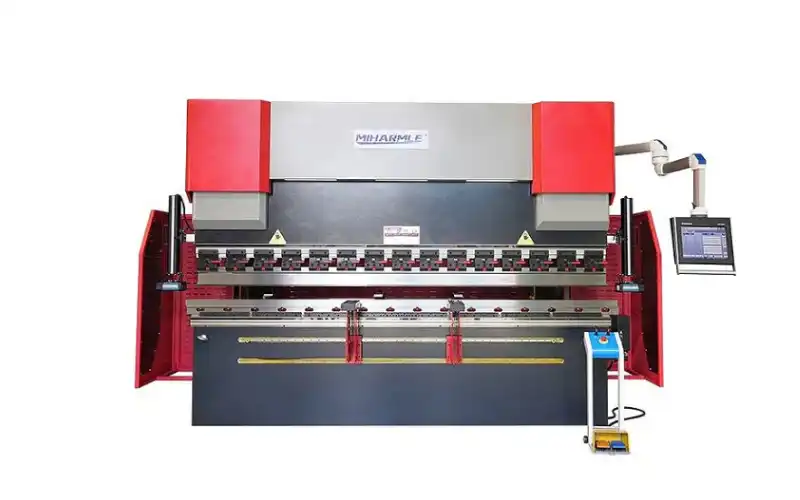
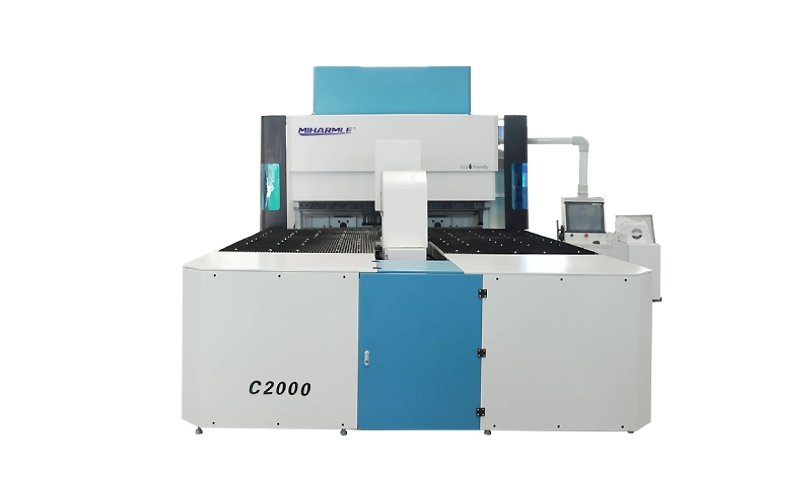
Press brakes allow employees to create useful metal shapes. A large number of factories use press brakes. These machines are used to press metals with tremendous force, typically measured in tons. This force assists in shaping components used in cars, buildings, and tools. This is, simultaneously, a very dangerous force. Precise safety controls must be used when handling it by workers.
This guide will assist you in learning the safety guidelines for press brakes. This will involve inquiries into potential risks, checks, and other preventive measures. These are necessary to ensure that workers are not injured while handling it.
The Importance of Press Brake Safety

Press brakes are used to apply heavy force to metal. A number of the machines can exert tens of tons of force. A small mistake can cause a major injury. The employees are subjected to working with sharp metal. Moving machines are also close to them. This further increases the danger of the place.
A safe worker is one whose primary concerns are people and machines. When the number of accidents is minimized, less time is wasted. The most efficient work is completed in factories where safety is given top priority.
Main Risks When Using A Press Brake
Workers encounter various risks when using these machines. The knowledge helps to prevent such accidents.
- Crush Injuries
The machine goes down to bend metal. When a hand or a finger is left in an improper position, it gets crushed by the machine. This is the risk that causes the most injuries.
- Pinch Points
While working, the machine’s moving parts come closer together. These are the factors that cause hand injuries. Workers need to stay alert during setup and use.
- Non-Functioning Machines
The parts of the machine wear out over time. Sudden machine movement occurs due to a loose die or an incorrect mechanism. This causes unexpected risks while bending metal.
- Sharp Metal Edges
The sheets of metal are sharp. They can easily pierce skin if not handled properly. Small cuts make the work slow and painful.
- Body Strain
These machines have parts that are often moved. This causes muscle strain, including back and shoulder pain, if proper habits are not followed.
Steps Before Starting The Machine
Safe work begins even before the pedal is pushed. The workers should check the machine and the environment.
- Proper training
The press brake machine can only be operated by a trained worker. There has to be training on the use of machines, safety gear, and emergency gear. The reaction of a trained worker in a risk situation is quicker than that of an untrained one.
- Tool setup
Employees are required to perform the appropriate type of work. The die must not only fit, but it must also be tight. When it is used, it rolls a loose die, which is hazardous.
- Work area check
The surrounding area of the machine must be clean. Employees are required to remove any scrap metal and equipment from the floor. One should not have everything around. A safe environment allows workers to move freely.
- Machine check
The workers are required to check the machine before the start of working hours. None of these is to be worn, the bolts are not to be loose, and there is not to be leakage of oil. The hydraulic and the electric cables should be checked. Test safety equipment, e.g., the guards and sensors.
Report in case something does not seem right. Do not use a faulty machine.
Safety Tools On A Press Brake
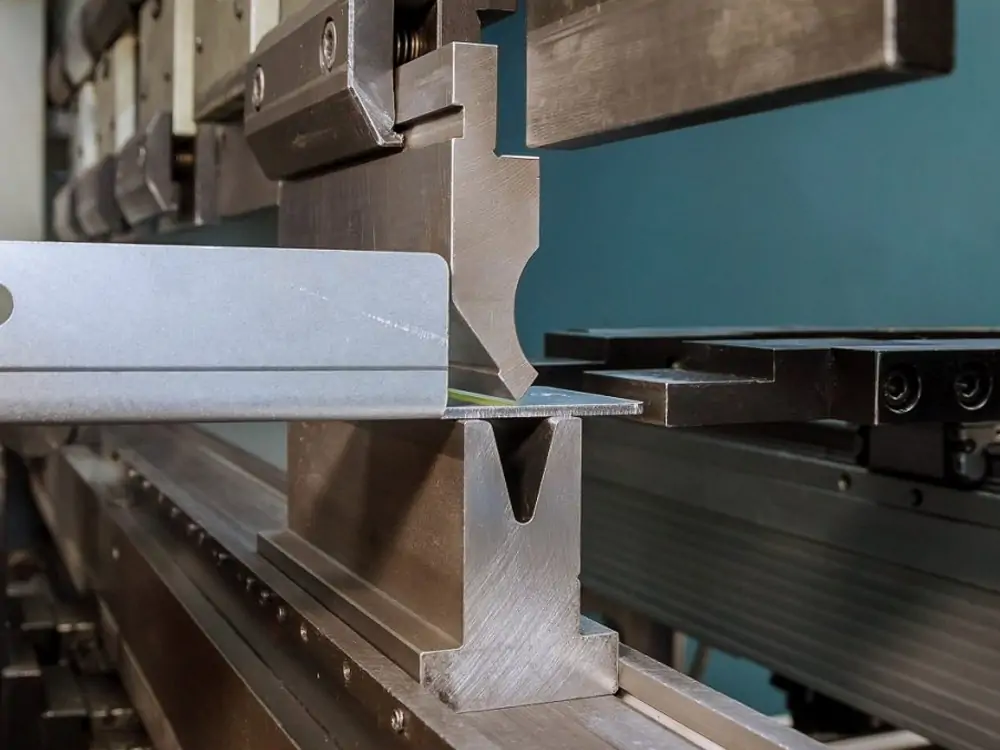
These days, press brakes include built-in safety features. The workers should be acquainted with all these features to get the most out of them.
- Guards
The guards are to ensure that no worker enters the danger zone. They keep workers from reaching the press space. The workers should not have the guards removed.
- Foot pedal
The workers tend to use the foot pedal to operate the machine. The position of the pedal must be safe at all times. One should not accidentally press the pedal.
- Light curtains
These devices create the invisible line of safety. If the beam is broken, the machine will be switched off. This is a system that protects workers without obstructing their vision.
- Emergency stop button
Each machine contains a stop button. The worker should have access to the stop button. The machine will immediately stop if the button is pressed.
- Two-hand control
There are many machines that require two hands to get going. This reduces the hand contact towards the danger zone. The machine will not start if either button is pressed.
- Back gauge
The equipment assists with positioning the metal sheet. It reduces the time required to adjust the metal by hand. Lower hand movement reduces the risk.
Safe Habits During Operation
An employee should stay alert when working on the press brake. Simple practices help in reducing the risk.
- Stay alert
The employees should be fully alert at work. This is because talking or being on the phone leads to mistakes. This alertness reduces the risk.
- Use clear signals
Clear communication is essential with others. Everyone should be aware of the time when the machine will move.
- Keep your hands safe
Never use your hands when working on dies. Metals should be moved by using lifters and maintained at a reasonable distance.
- Follow load limits
Every machine has a limit. Employees should never exceed the limit. Excessive load leads to the machine’s breakdown.
- Power off before changes
Turn off the machine and make the corrections. This should always be done in compliance with the lockout procedure to avoid accidentally starting the machine.
Building A Strong Safety Culture
Security is not the responsibility of just one worker. The whole factory should promote a safe working environment.
- Regular training
Workers should be trained regularly. They should also be trained on new machines or any other changes. This would help the workers remember the safety measures.
- Routine maintenance
Machines should be well-maintained. This would keep the parts in good condition and help the machine run without any problems.
- Report problems
Minor troubles should be reported by the workers. This would help correct the problems in time and avoid major troubles in the future.
Reports should not be ignored by the supervisors. Ignoring minor troubles would lead to major troubles.
How Safety Improves Work Output
The output is highest when workplace safety is ensured. The injuries slow production. The small injuries also affect workers’ attention and focus.
When there is workplace safety, workers can work without fear. This increases the quality and rate of work. Machines require little maintenance, thus reducing the time spent on repairs.
Each accident also impacts the team’s morale. Working conditions in sensitive environments can cause significant stress for workers. A safe working environment means the workers are secure and motivated.