
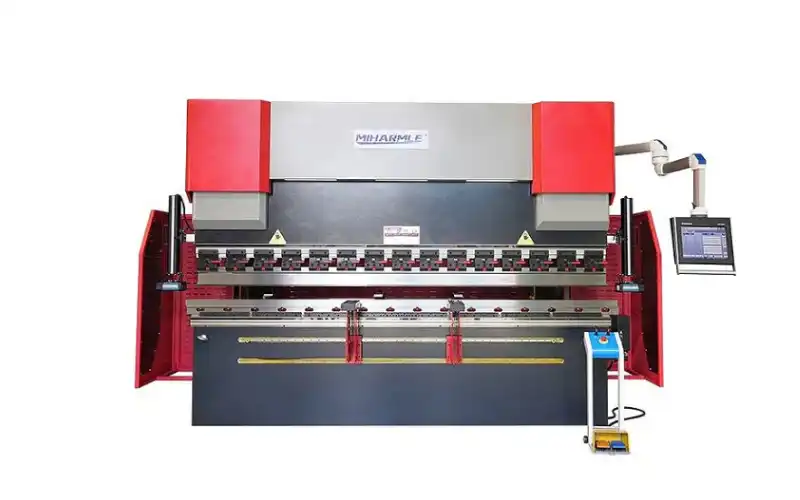
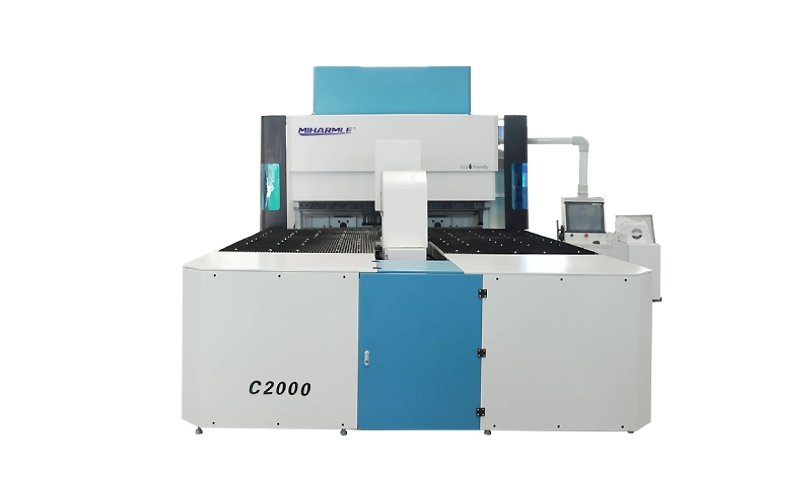
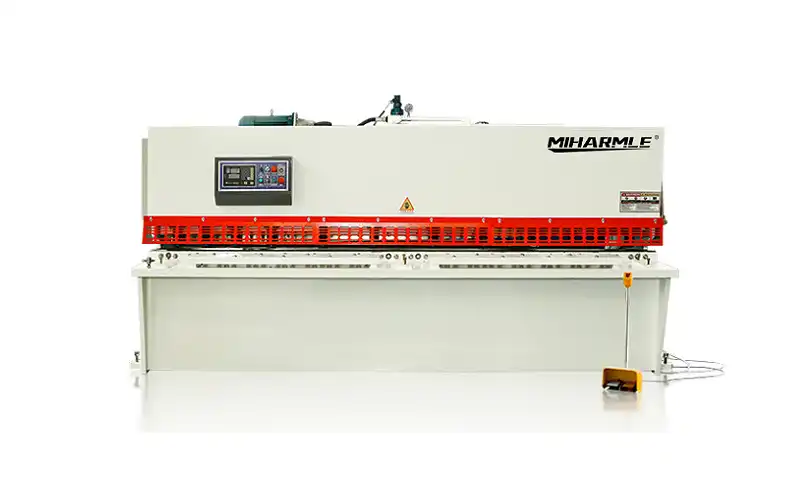
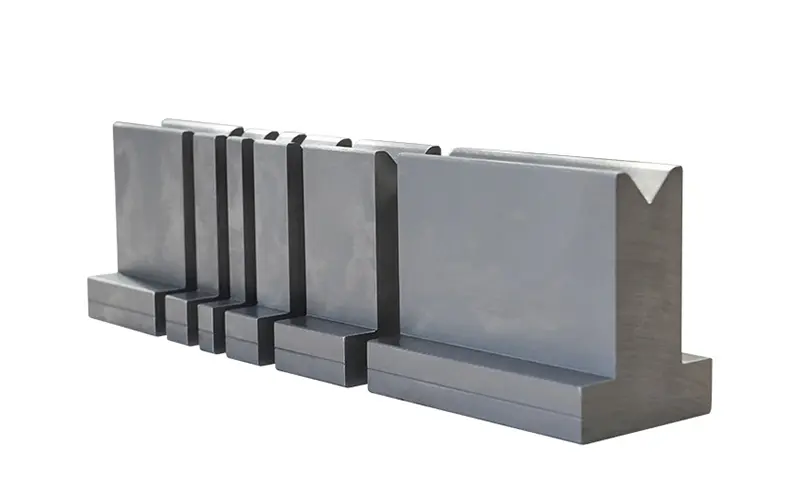
How should you choose between electric press brakes and hydraulic press brakes? The decision requires a comprehensive assessment of efficiency, precision, operating costs, and your specific production model. As of 2026, many sheet metal fabrication shops are increasingly opting for electric press brake solutions to achieve higher productivity, lower energy consumption, and superior repeatability.

Hydraulic press brakes offer distinct advantages when handling thick plates and high-tonnage operations. However, if your focus is on processing thin sheets and meeting high precision requirements, an electric press brake is the recommended choice.
What Is an Electric Press Brake?
An electric press brake is a bending machine driven by a servo motor instead of a hydraulic system. It uses electric power to control the ram movement directly, which makes the bending process more efficient and precise.
Compared with hydraulic models, electric press brakes are generally designed for:
- High-precision sheet metal bending
- Faster cycle times
- Lower operating noise
- Reduced maintenance requirements
- Energy-efficient production
This makes them especially attractive for manufacturers that value consistency and productivity.
How Does a Servo Electric Press Brake Work?
A servo electric press brake uses a servo motor, ball screw, or similar transmission system to move the ram with high accuracy. Instead of relying on hydraulic oil pressure, the machine converts electrical energy into mechanical motion.
Here is the basic working principle:
- The control system calculates the bending position and force.
- The servo motor drives the transmission system.
- The ram moves to the exact position needed for bending.
- Sensors and feedback systems monitor accuracy in real time.
- The machine repeats the same movement with very high consistency.
Because the motion is digitally controlled, electric press brakes can deliver extremely stable results from one bend to the next.
Electric Press Brake vs Hydraulic Press Brake Comparison
| Item | Electric | Hydraulic |
|---|---|---|
| Drive system | Servo motor | Hydraulic cylinder |
| Energy consumption | Low | High |
| Accuracy | Higher | Good |
| Maintenance | Low | Higher |
| Noise | Low | Higher |
| Best application | Precision sheet metal | Heavy plate |
The table shows the main difference clearly: electric press brakes are built for efficiency and precision, while hydraulic press brakes are better suited for heavier, more demanding forming tasks.
Advantages of Electric Press Brake
Energy saving
One of the biggest reasons to choose an electric press brake is lower energy consumption. Unlike hydraulic machines, which often run pumps continuously, electric systems only use power when motion is needed. This can significantly reduce electricity costs over time.
For factories that run multiple shifts or high-volume production, the savings can be substantial.
High precision
Electric press brakes offer excellent repeatability and positioning accuracy. This is especially important for parts that require tight tolerances, uniform angles, and consistent results across large batches.
If your products demand precision, electric bending gives you a clear advantage.
Faster bending speed
Because the servo system responds quickly and directly, electric press brakes can complete bending cycles faster than many hydraulic machines. This improves throughput and helps reduce waiting time between operations.
For manufacturers under pressure to increase output, speed matters as much as accuracy.
Lower maintenance cost
Hydraulic press brakes require more upkeep because of pumps, valves, seals, hoses, and hydraulic oil. Over time, these parts wear out and need inspection or replacement.
Electric press brakes have fewer wear components, which usually means:
- Less downtime
- Lower servicing cost
- Fewer oil-related issues
- Cleaner machine operation
That simplicity is a major benefit for busy factories.
Cleaner production
Electric press brakes do not use hydraulic oil, which means no oil leakage, less contamination risk, and a cleaner working environment. This is especially valuable in modern manufacturing settings that emphasize safety, sustainability, and lean production.
Is Electric Press Brake Suitable For Your Factory?
An electric press brake is a strong choice if your factory focuses on:
- Thin to medium sheet metal
- High-precision parts
- Fast production cycles
- Lower energy consumption
- Reduced maintenance workload
- Quiet and clean operation
It is especially suitable for industries such as:
- Electrical cabinets
- Metal enclosures
- Automotive components
- Home appliance parts
- Precision sheet metal fabrication
However, if your work involves heavy plate bending, very large tonnage, or extremely thick materials, a hydraulic press brake may still be the better option.
The best machine is not the most powerful one. It is the one that matches your actual production needs.
Conclusion
If your goal is precision, energy efficiency, speed, and lower maintenance, an electric press brake is often the better choice in 2026. It delivers cleaner operation and stronger long-term value for sheet metal production.
If your work demands heavy-duty bending and maximum tonnage, hydraulic technology still has an important role. The right choice depends on your material thickness, production volume, and quality requirements.
In short: choose electric for precision and efficiency, choose hydraulic for heavy-duty bending.