
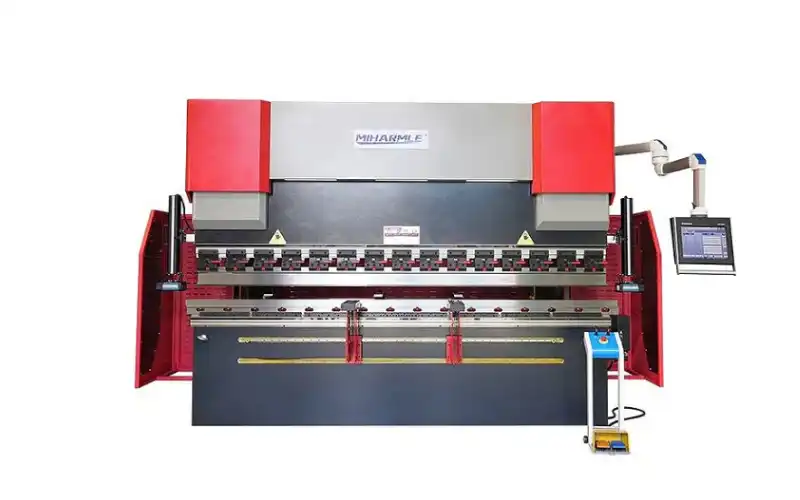
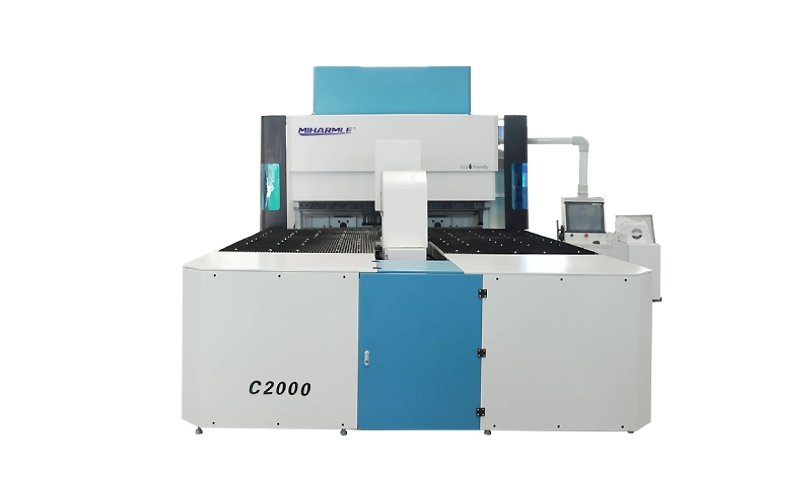
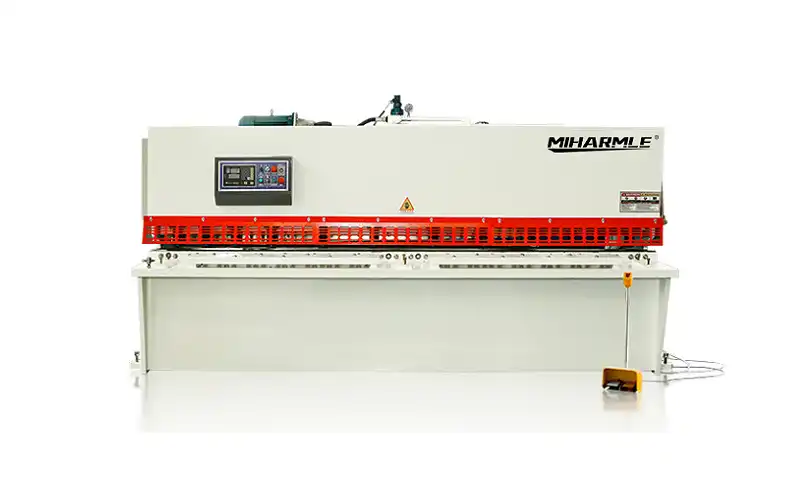
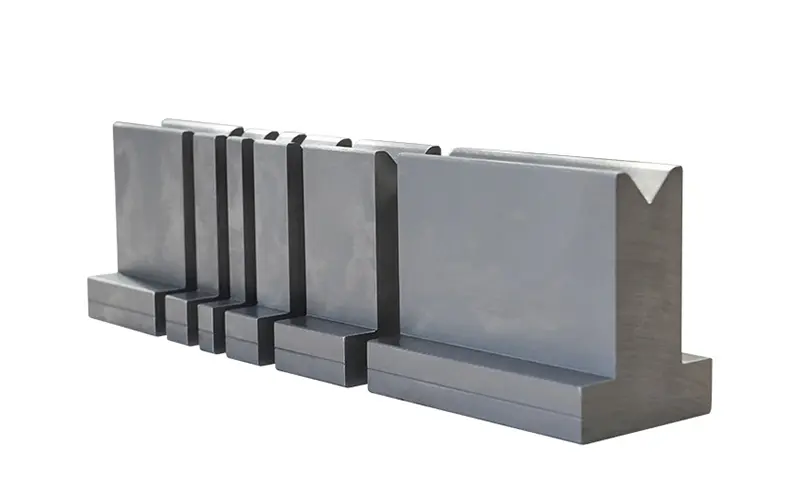
European metal fabricators frequently face a tough decision when handling extra‑long workpieces for wind towers, lighting poles, structural beams and transport components: invest in one large single heavy‑duty press brake, or select a tandem press brake system with two synchronized units.
Both solutions can bend long metal sheets, yet they differ greatly in capital cost, workshop footprint, logistics, daily flexibility and total cost of ownership — critical factors for EU small‑to‑medium fabrication workshops.
Pain Points of Single Heavy‑Duty Press Brake
A monoblock single heavy‑duty press brake delivers continuous one‑piece bending for ultra‑long plates. However, European buyers meet several unavoidable drawbacks.
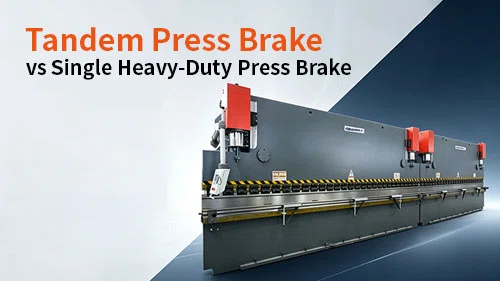
First, high procurement & logistics cost. Oversized single‑frame press brakes are custom‑built. They cannot fit into standard shipping containers, triggering expensive over‑size freight and complex port clearance across EU borders. Custom reinforced foundation is often mandatory, adding extra construction budget to your workshop renovation.
Second, poor equipment utilization. If most of your daily orders are medium‑length sheets and only occasional jobs require ultra‑long bending, a huge single press brake will sit idle for most production time. You pay premium investment but only use full capacity for a small share of orders.
Third, frame deflection risk. Extra‑long ram will produce natural deflection under heavy load, requiring high‑end crowning compensation to keep consistent bending angles across full length. Maintenance and spare‑part lead times for custom large‑frame machines are longer inside Europe.
Single heavy‑duty press brake fits best for workshops with stable, high‑volume ultra‑long part orders all‑year‑round.
Core Advantages of Tandem Press Brake System
A genuine tandem press brake synchronizes two standard press brakes via Delem DA‑53TX / DA‑66T controller, running as one unified machine for long‑sheet bending. When long‑part jobs finish, operators can switch to independent mode within minutes: two machines run separate small‑size bending tasks at the same time, greatly lifting overall workshop throughput.
For European fabricators, three practical benefits stand out:
- Better logistics & delivery. Standard‑size machine bodies fit standard sea containers, no over‑dimension surcharge, easier inland transport inside EU countries. No special oversized permit required for most destinations.
- Higher ROI for mixed‑order production. Most European metal shops run mixed batches: occasional long poles plus daily brackets and panels. Tandem configuration avoids expensive idle capacity. You get long‑part capacity plus double‑cell ordinary‑part output without buying three separate machines.
- Controllable precision. Real‑time position feedback keeps synchronization deviation tight. It is widely applied for wind power components, lighting poles and highway structural parts across Europe.
Important reminder: Low‑cost simple linked “pseudo‑tandem” without professional CNC synchronization will cause step‑gap bend marks. Always verify complete tandem control module before purchase.
Quick Selection Checklist for European Buyers
✅ Choose Tandem Press Brake, if:
- Most jobs are medium‑length parts, only periodic ultra‑long sheet orders
- You want two independent working stations for daily production
- You hope to avoid over‑size shipping cost and complicated foundation construction
✅ Choose Single Heavy‑Duty Press Brake, if:
- Stable mass‑volume ultra‑long workpiece orders take up most production time
- Almost no demand for splitting into two separate bending cells
Final Tip
Neither solution is universally perfect. Send your typical workpiece drawings, material thickness and maximum length to our technical team. We provide free technical evaluation for CE‑compliant bending solutions for your EU workshop.