
As metal fabrication is changing fast, traditional hydraulic press brakes are losing ground to a more innovative alternative. Yes, industrial sectors now demand tighter tolerances, accuracy, and sustainability for machining operations. Manufacturers need solutions that deliver on all fronts. They are taking over workshops worldwide.
Servo-electric technology answers these challenges head-on. Their core benefits come from the technology that combines electric servo motors, the power of hydraulics, and advanced control systems. These machines are the upgraded version of hydraulic and electric press brakes.
If you are in the metal fabrication industry, you must want to know about these incredible machines. How exactly do servo-electric technologies work? What makes them so efficient? And much more.
So, in this article, our core purpose is to explore servo-electric press brake technology and how it works. We’ll also dive into different types of Servo-electric press brakes, advantages, and how they differ from their hydraulic counterparts. Understanding the latest equipment and staying up-to-date with the trends is no longer optional. It’s essential for competitive manufacturing success.
What is a Servo-Electric Press Brake?
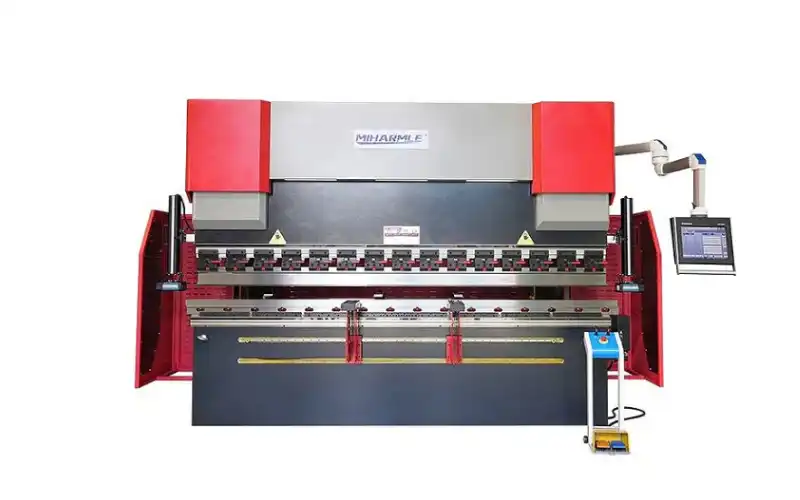
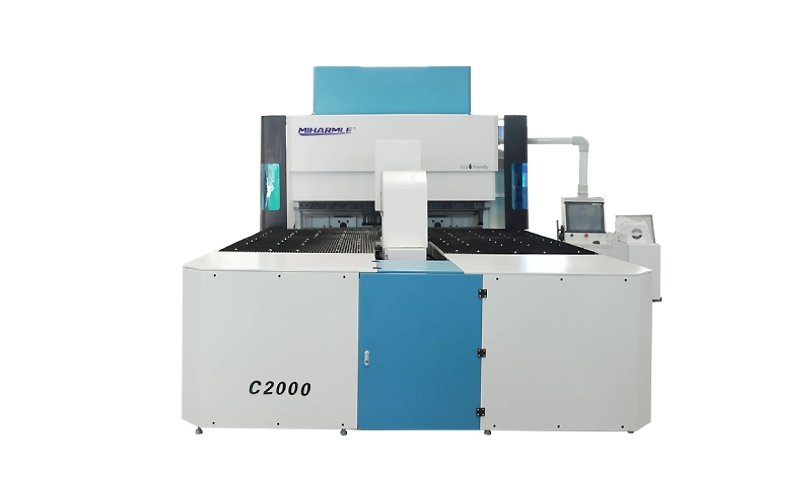
A type of press brake– a servo-electric press brake is a metal fabrication machine used for bending and metal forming. They combine the power of hydraulics with the efficiency of electric servo motors. Unlike traditional hydraulic press brakes that don’t depend on oil pressure and hydraulic cylinders, these models work on electricity.
The technology integrates the ball screws and servo systems that work together. This enables accurate positioning of the ram and gives you more control over the bending operations. This precise synchronization eliminates bending angle problems that happen with hydraulic systems. The precision rate for these machines can reach up to 1 micron accuracy.
Key Components of a Servo-Electric Press Brake
Frame
The frame provides the basic structure for the machine. It’s made from high-strength welded steel plates. Most use a C-shaped design that consists of vertical side housings. It connects the upper beam (ram) to the lower beam. The ram holds the upper punch. It moves vertically to bend metal. And the die sits on the bed below. Metal is clamped between the punch and the die.
Servo Drive System
The servo motors represent the heart of the system. Typically, it features dual servo motors that provide the primary power for ram movement. These motors allow the operator to control the position, speed, and torque. They respond faster than hydraulic systems. Additionally, the servo drive system also involves transmission devices such as screw rods and ball nuts, ensuring accurate force application.
Control and Automation Systems
Advanced sevropress brake machines come equipped with CNC systems. Operators program the instruction that controls the bending operations. For human control and input, a touchscreen is given to manage the servo motor rotation angle, speed, and position. Furthermore, real-time feedback systems are also available in the machines. It utilizes encoders or magnetic scales to monitor the ram position and movement continuously,
Tooling and Positioning Systems
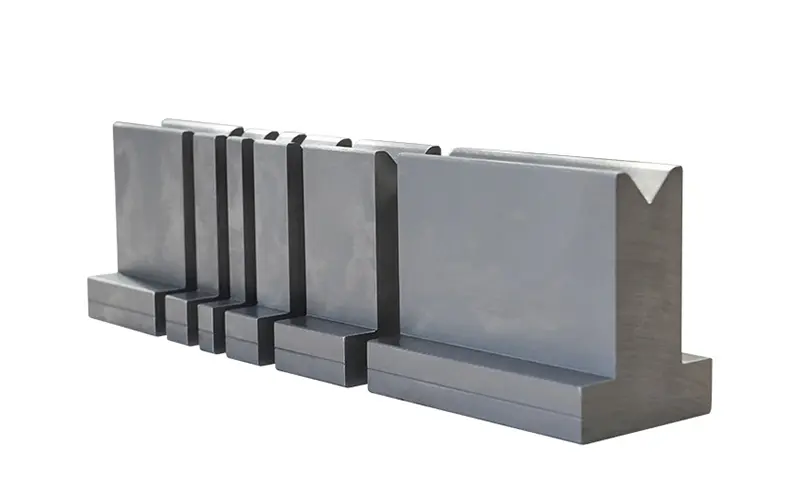
The specialized tools are installed for precise sheet metal positioning and bending operations. It consists of multi-axis back gauge systems, which include X, R, Z1, and Z2 axes.
The clamping tool holds the metal sheet in position. Additionally, the pulley systems are attached to servo motors. It helps in the distribution of pressure evenly along the overall material length.
How a Servo-Electric Press Brake Works?
Now, we will discuss the detailed operation and see how the servo-electric press brakes work.
Basic Operating Principle
As you know, like other press brakes, the servo-motor works with the primary punch and die tool that is responsible for bending operations.
Sometimes the punch is movable and the die remains fixed, and sometimes it’s the reverse. The movable tool in either case is facilitated by energy from the servo motor. Clamps or positioning tools hold the metal piece securely during bending.
Servo Motor Mechanism
The servo motor serves as the main power source. Once parameters are set, it moves at a precise speed and position according to programmed instructions. Two servo motors typically work together to power the ram movement. These motors transmit power through transmission devices like screw rods and ball nuts. The direct electric transmission enables precise control over motion speed and position. This arrangement delivers consistent bending performance.
Bending Process
The servo motor drives the ram downward to apply pressure. The ram carries punch tooling that presses against the fixed die. Meanwhile, the metal sheet bends according to the die shape and applied force. Force sensors monitor the pressure applied to the workpiece in real-time. The control system uses this feedback to adjust the servo motor actions automatically. Consequently, this ensures precise force control throughout the operation.
CNC Integrated Control Systems
The machine automatically stops once the preset bending angle is reached. CNC control ensures the exact specifications are met every time. This eliminates manual handling while delivering precise results.
Types of Servo-Electric Press Brakes
Now that you have an idea of the working of these incredible machines, let’s move on to the two main types, which are as follows.
Electric-hybrid servo press brakes
This technology benefits from both hydraulics and electric systems. The hydraulic system handles heavy-duty bending tasks. The electric servo system provides precise control for detailed work. These machines excel at manufacturing heavy metal components. They work well in various industries spanning automotive, manufacturing, and aerospace. The hybrid design offers a strong force for thick materials. Energy consumption is reduced to almost 20-30% with these versions as compared to traditional systems. They handle medium to high-volume production efficiently. These machines suit applications requiring both power and accuracy.
Full servo-electric press brakes
These press brakes run entirely on electric power. They eliminate hydraulic systems completely. Two servo motors provide all the bending force needed. These machines deliver exceptional precision and accuracy. Energy consumption is reduced by up to 50% compared to hydraulic models. They operate 35% faster than traditional press brakes. The electric design creates quieter working environments. These machines work best with thinner materials requiring high precision. Their applications span medical device manufacturing, home electronics, appliances, and many more industries. Complete electric systems need low maintenance due to fewer moving parts.
Advantages of Servo-Electric Press Brakes
As stated earlier, they have several advantages. But still, if you want to know, you know how these servo-electric press brakes stand out among various press brakes. Here are some key advantages of these machines for your business.
Low energy consumption
Like hydraulic versions, servo-electric press brakes do not consume much energy. As the energy is only consumed during active bending operations, up to 80% less energy is consumed. So, the electricity costs are lower by up to 50-62%. Some manufacturers report 45% reductions in energy bills.
Accuracy and Precision
These machines deliver exceptional bending accuracy through servo motor control. They achieve tight tolerances consistently across production runs. Real-time feedback systems enable instant adjustments during operation. This precision minimizes errors and reduces scrap material.
Advanced Control
Servo electric press brakes now integrate an advanced smart solution. It includes integration of CNC systems and AI controls, which provide precise parameter programming. Touch screen interfaces simplify machine operation. By saving the instructions digitally, multiple bending sequences can be stored and recalled. Smart controls reduce operator skill requirements.
Lower Maintenance
These machines have fewer moving parts than hydraulic systems. No hydraulic fluid eliminates oil changes and leak concerns. Less maintenance means increased machine uptime. Maintenance costs drop substantially compared to hydraulic models.
Environmental Benefits
Servo-electric press brakes produce zero oil pollution. They eliminate hydraulic fluid disposal requirements. The machines operate 70% quieter than hydraulic systems. This creates better working environments for operators.
How does a servo-electric press brake differ from a hydraulic press brake?
Power Source
- Servo-electric: Uses electric servo motors to generate bending force
- Hydraulic: Relies on hydraulic fluid and cylinders for power
Energy Consumption
- Servo-electric: Consumes up to 80% less energy
- Hydraulic: Runs continuously even when idle, consuming more power
Speed and Response
- Servo-electric: 35% faster operation with instant motor response
- Hydraulic: Slower due to fluid movement and pressure buildup
Precision and Accuracy
- Servo-electric: Achieves tolerances within ±0.01mm
- Hydraulic: Accurate to ±0.0004 inches but less repeatable
Maintenance Requirements
- Servo-electric: Minimal maintenance with fewer moving parts
- Hydraulic: Regular oil changes, seal checks, and filter replacements
Force Capacity
- Servo-electric: Limited to smaller tonnages, typically under 300 tons
- Hydraulic: Generates higher bending forces for thick materials
Environmental Impact
- Servo-electric: Zero oil pollution, 70% quieter operation
- Hydraulic: problems due to fluid leakage and environmental contamination
Initial Investment
- Servo-electric: Higher upfront cost but lower operating expenses
- Hydraulic: More affordable initially, but higher long-term costs
Conclusion
To conclude, Sevro electric press brakes are incredible machines. They combine the advantages of both hydraulic and servo-electric press brakes. This advanced technology shapes the future of manufacturing with its low power consumption, low maintenance, and environmental friendliness. If you are thinking of elevating your manufacturing business and upgrading to the new technology, the servo-electric brake is an excellent choice. Try researching for a reliable manufacturer. Not only will it provide you with premium equipment, but it will also offer after-sales support.