
Equipment accuracy serves as the core of the fabrication process. Even a slight inaccuracy in machines like press brakes can result in thousands of dollars in lost revenue for your business.
The accuracy of press brakes refers to how precisely this industrial machine can make desired bends, angles, and shapes in sheet metal. Every day, fabricators heavily rely on press brakes to deliver consistent, accurate results. It is because it impacts production and product quality. And remember, accuracy isn’t just about the appearance of the resultant product. With tons of manufacturers in the market providing accurate parts, it can impact your market competitiveness and brand image.
However, achieving high-quality bending involves several key factors. Today, in this article, we’ll discuss all those factors that affect press brake accuracy, different types of brakes and their accuracies, and how to measure them. Further, we’ll dive into techniques for Improving Press Brake Accuracy. So, let’s dive into the basics first.
What is Press Brake Accuracy?

The accuracy of the press brake is defined as the measure of how closely the bends and angles are formed with respect to intended specifications. The concept goes beyond the final bend angle. This also includes positioning, uniformity of bending radius, and repeatability of the bends over multiple runs.
Higher press brake accuracy reduces material waste and the need for expensive rework. It results in a reliable fit during assembly, which is crucial in modern manufacturing. Practically, a press brake can deliver bend angle accuracy within ±0.5°. Linear positioning typically maintains a tolerance of ±0.1 to 0.2 mm for back gauge and ram movement.
Two main elements influence press brake accuracy: internal (machine) parameters and external influences.
Machine parameters include tool misalignment, backgauge inaccuracy, and tonnage control. The tool wear and material springback issues are external influences that result in inaccurate bending dimensions.
Difference between accuracy and precision
When we discuss press brakes, some people may confuse accuracy with precision. Although related to each other, these terms serve different meanings.
Accuracy measures how closely the bends relate to the required specifications. Precision is related to the machine’s ability to repeat those bends consistently. A highly accurate press brake produces bends that closely match the programmed angle. At the same time, the precise machine will produce multiple parts with nearly the same dimensions. Take an example of a press brake that consistently produces 89.8° bends when programmed for 90°. This shows high precision but lower accuracy.
Key Factors Affecting Press Brake Accuracy
Machine Quality and Maintenance
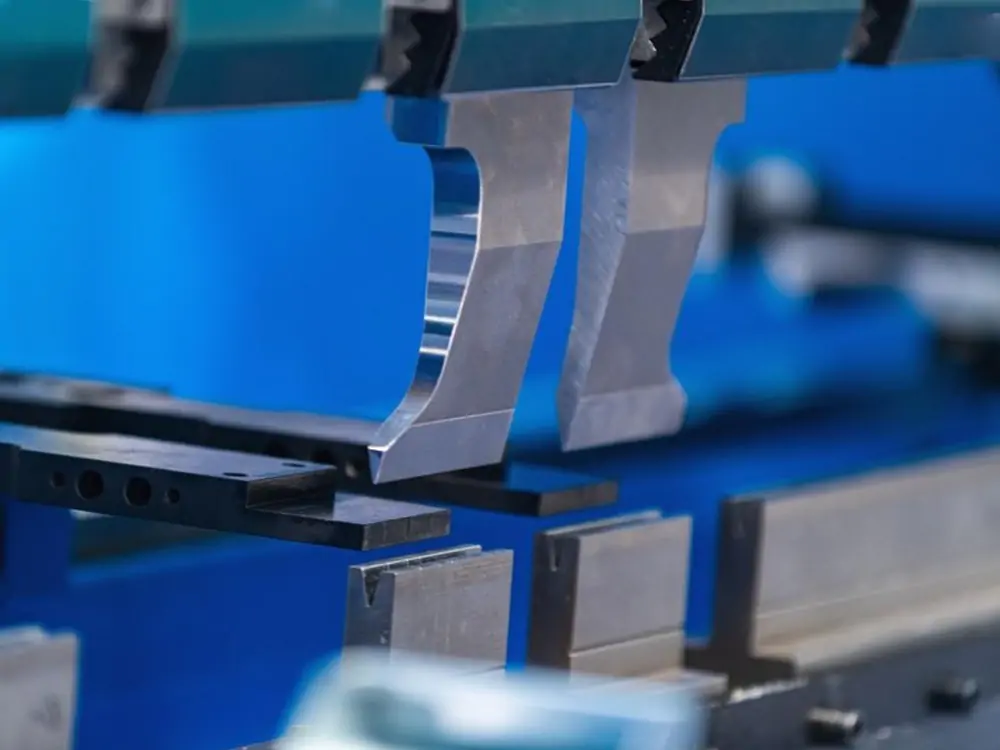
Machine quality and its maintenance are the primary factors affecting accuracy. The overall conditions include a strong base, rigid frame, and ram alignment; all these things contribute to the accuracy of press brakes. Also, daily inspection and proper machine calibration maintain positioning accuracy.
Tool Quality
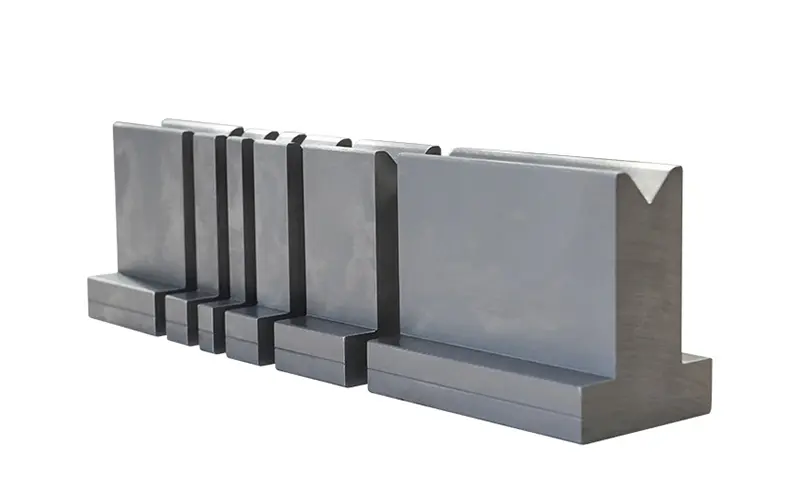
The material of Tools, like punches and dies, affects bend radius consistency and angle accuracy across production runs. Quality tooling materials and proper heat treatment extend tool life while maintaining dimensional stability. Worn-out tools can result in inaccuracy.
Material Types
Different materials react differently in bending operations. Variation in thickness, composition, and strength affects the accuracy of press brakes. When consistent materials are used, it leads to accurate final bending angles.
Operator Skills
Experience and skills of the operators count. Operators should have a strong understanding of proper setup procedures. Additionally, mastering material handling techniques and troubleshooting methods can lead to increased accuracy.
Environmental Factors
Temperature fluctuations affect both machine dimensions and material properties during bending operations. Vibration from nearby equipment can compromise measurement precision and CNC control performance.
Types of Press Brakes– And Their Accuracy
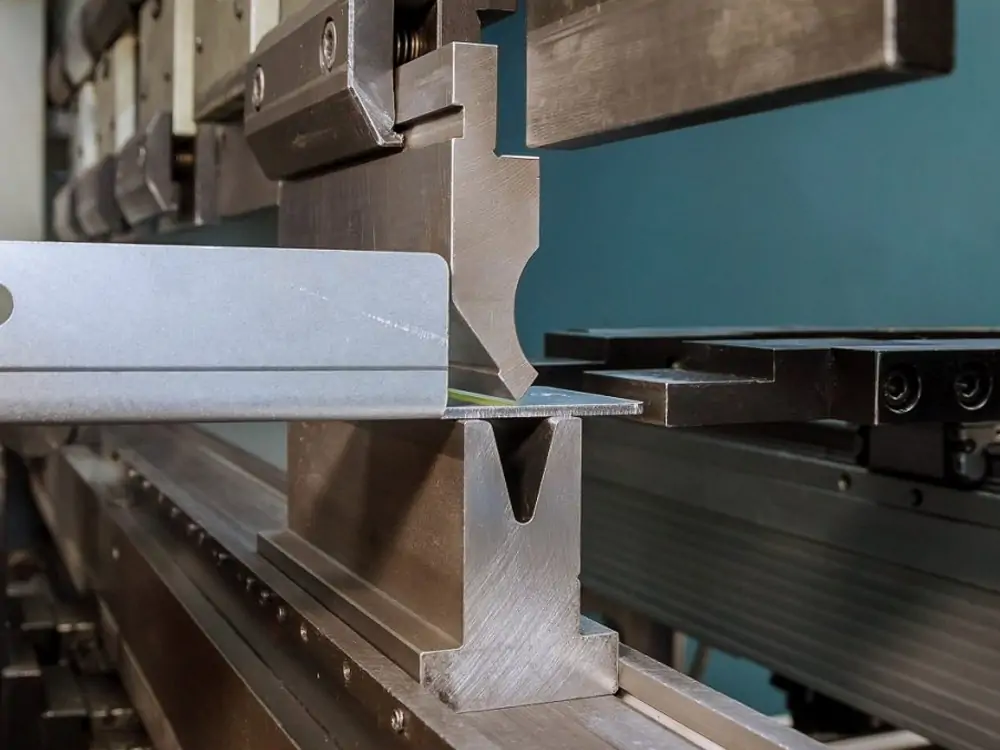
Press brakes come in several types. Each type serves different accuracies. The way they work affects the accuracy of the bends.
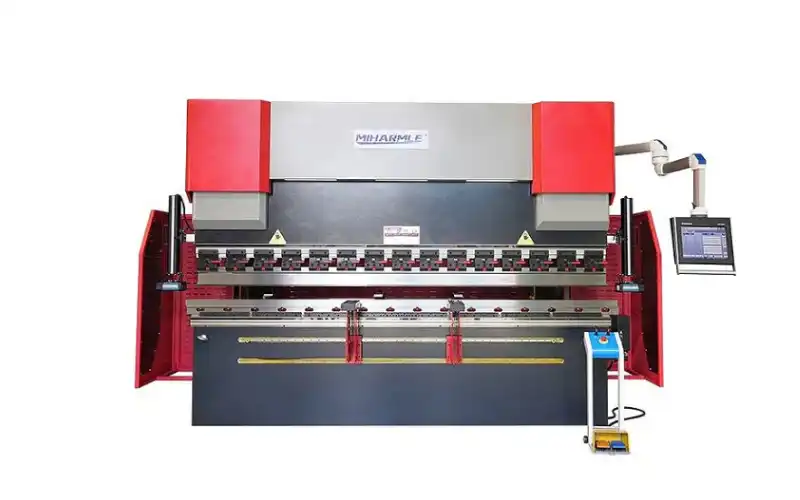
CNC Press Brakes
CNC press brakes are one of the advanced versions of press brakes. They use computer-controlled systems to program bending operations. That’s why they can achieve accuracy up to a few thousandths of an inch. The automated process helps in achieving consistent bending angles throughout the production process. These machines can adjust ram depth and multi-axis back gauges to position workpieces with exceptional repeatability.
With CNC press brakes, you get more advanced features. This includes an automatic crowning system and an in-process angle measurement adjustment feature. This improves the consistency across different materials and varying thicknesses.
CNC integrated systems reduce the likelihood of human errors, as they come equipped with digital feedback systems. When the system detects variations, it makes instant corrections. This ensures the consistency and accuracy needed for complex bending operations.
Hydraulic Press Brakes
For heavy-duty bending operations, hydraulic press brakes are the standout choice. They can deliver accurate bends across thick materials and large batches. Hydraulic press brakes use pressurized fluid systems. These include synchronized cylinders that ensure uniform pressure distribution along the bending line.
They are integrated with CNC controls. It controls the movement of the ram precisely. Electronic pressure monitoring maintains consistent tonnage throughout the bending cycle.
These types of press brakes need regular maintenance of hydraulic fluids. Proper calibration with lead long accuracy.
Servo Press Brakes
Servo systems eliminate the backlash problems associated with traditional gear drives. Direct connection technology provides precise positioning without error. These systems incorporate speed control. It changes smoothly, helping materials flow more easily during the bend.
Servo motors respond to control signals. During bending operations, the system fixes automatically in real-time. High-quality position sensors provide precise feedback for optimal repeatability. Smart servo controllers typically feature built-in vibration control. It helps in accurate final bends.
Electric Press Brakes
Servo motors drive the ram movement in electric press brakes. These motors provide extremely precise positioning control. The system responds instantly to commands from the controller. This design eliminates the variables that hydraulic fluid can introduce.
Electric systems achieve exceptional positioning accuracy. Servo motors only use power during the actual bending operation. This reduces energy consumption by up to 50% compared to hydraulic systems. The motors deliver consistent performance regardless of changes in room temperature.
Key benefits include high precision and excellent repeatability. Operating costs stay low because there are no hydraulic fluids to maintain. The working environment stays quieter during operation. Quick response times improve production speed without losing accuracy.
Manual Press Brakes
Manual press brakes require skilled operators to function properly. The worker’s skill decides how accurate the bends turn out. These machines work best for small jobs and simple bends. Manual operations use basic tools and measuring devices to set them up.
Results vary based on the machine operator’s ability to position and reposition the workpiece. Accurate bending requires trained operators who understand the behavior of metals.
There are some challenges associated with these machines, as they are manually operated. They take longer than automatic machines. Additionally, creating hard bends with high accuracy becomes more challenging. Hand controls can give different results each time. Workers must keep quality steady through their own skills. These machines need more time for tough jobs than automatic ones do.
Measuring Press Brake Accuracy
Angle Measurement
Angle measurement checks if bends match the programmed specifications. It is one of the most popular methods for verifying the accuracy of a bent workpiece. Several tools help check the angle measurement; they are as follows:
- Digital angle finders provide quick and accurate readings.
- Precision protractors work well for manual checking of bend angles.
- Laser-based angle measurement systems give real-time feedback during bending.
Deviations as small as 0.1 degrees can be detected by their system. Industry standards typically allow tolerance ranges of ±0.5° to ±1°.
Dimensional Measurement
Dimensional accuracy checks flange lengths and linear measurements. Tools for dimensional measurement are:
- Calipers provide basic measurement capabilities for most applications.
- Coordinate measuring machines (CMMs) deliver precise and consistent dimensional readings.
Worktable Flatness Checking
Table flatness has a significant impact on bend accuracy across long workpieces. A straightedge and feeler gauge help detect deflection problems. Small deviations can cause variations in angle.
National standards specify flatness tolerances for different table lengths. For a 3200mm table, flatness should stay within 0.08mm according to GB/T14349-2011. A longitudinal deviation of 0.06mm over 3200mm can cause approximately 0.17° angle variation.
Repeatability Measurement
Repeatability tests verify consistent performance under identical conditions. Multiple bends on identical materials show machine consistency. CNC press brakes detect these measurements automatically with an advanced system.
Testing involves performing multiple bends and measuring each result. Variations between identical setups indicate a problem with repeatability. High repeatability reduces scrap rates and improves productivity.
How to Improve Press Brake Accuracy?
Machine setup and calibration
- Start with a careful setup. Check the frame, ram alignment, and back gauge position. Keep these in line to avoid drift.
- Then, verify the table is flat to prevent angle changes across long parts. Calibrate hydraulics for steady pressure.
- Finally, use dynamic crowning to offset machine deflection. This ensures uniform bend angles throughout the entire workpiece.
Tool selection and maintenance
- Choose die openings that match the material and thickness. Sharp tools spread stress evenly and form clean radii.
- Replace worn or low‑quality punches and dies before quality drops. Check tool alignment often and log tool condition and changes.
Material handling
- Clean sheets before bending. Measure the thickness at several points to identify variations.
- Support long parts during positioning. Consider the grain direction for fewer cracks. Keep material at a stable temperature for consistent bends.
Advanced technology
- Use real‑time angle measurement for instant feedback. Let CNC programs remove setup mistakes.
- Rely on automated back gauges to cut positioning errors. Add laser measurement to enable fast, precise adjustments while bending.
Operator training
- Train operators to recognize material behavior and identify accuracy issues promptly. Good setup skills reduce the need for trial and error.
- Teach correct measurement methods and springback control. Different materials need different adjustments, so practice drives reliable results.
Conclusion
Now that you have read the article, you have had an idea of Press brake accuracy. It drives success in today’s metal fabrication industry. There are various types of press brake machines on the market. Each one offers different accuracies, allowing you to choose the equipment that best suits your business needs. But a consistent and accurate bending operation needs machine maintenance and proper handling. So, a skilled operators make critical decisions that directly impact bend quality. There are specific methods for measuring and improving press brake accuracy. Improvement strategies will reduce scrap rates and improve customer satisfaction. So, in short, Success depends on treating accuracy as a complete system rather than individual components.