
When manufacturers invest in a new sheet metal bending machine, one question often comes up:
Should I choose a Panel Bender or a CNC Press Brake?
Both machines can produce accurate sheet metal bends, but they are designed for different production requirements.
A CNC Press Brake provides excellent flexibility for different materials, thicknesses, shapes, and tooling configurations. A Panel Bender, also known as a flexible bending center, focuses more on automation, repetitive production, and efficient multi-side bending.

The right choice depends on your workpieces, production volume, material thickness, part geometry, and automation requirements.
What Is a CNC Press Brake?
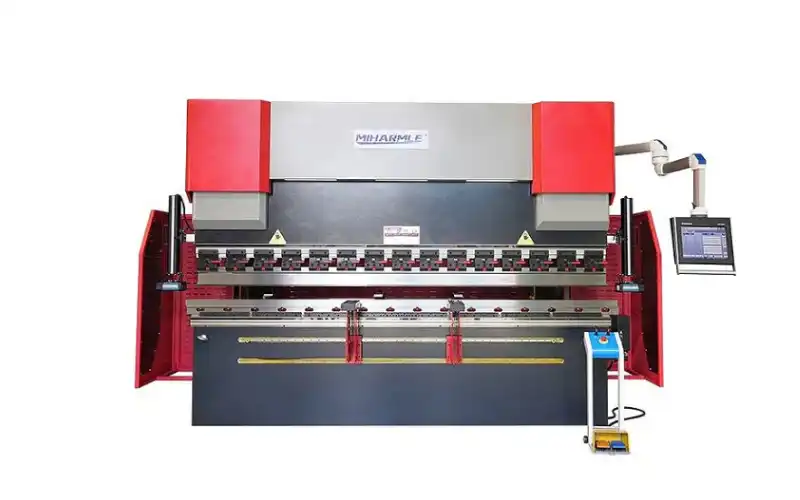
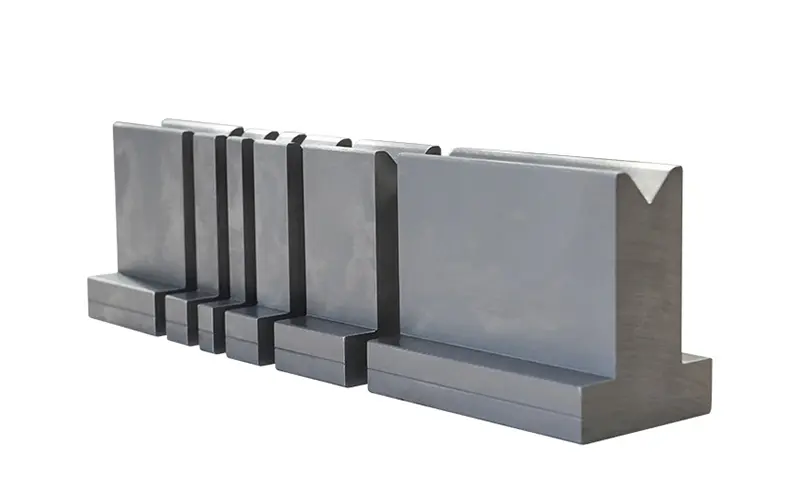
A CNC Press Brake forms sheet metal by pressing the workpiece between an upper punch and lower die.
Modern CNC press brakes can automatically control the bending sequence, bending angle, and back gauge position. Different punches and dies can also be selected for different workpieces.
Key advantages of a CNC Press Brake
- High flexibility for different workpieces
- Suitable for various sheet thicknesses
- Wide range of tooling options
- Suitable for customized and small-batch production
- Excellent for complex bending profiles
- Suitable for medium- and heavy-duty sheet metal fabrication
In short, a press brake is a strong choice when your factory needs versatility.
What Is a Panel Bender?
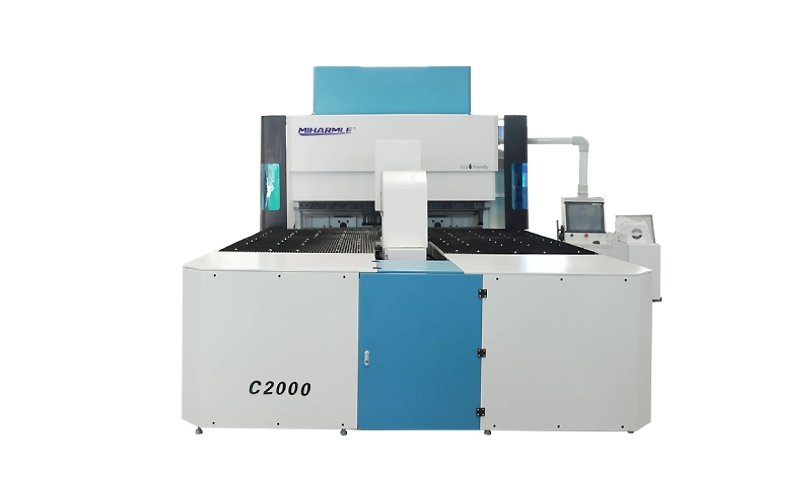
A Panel Bender, or flexible bending center, is an automated sheet metal bending solution designed mainly for panel-shaped and box-type components.
Instead of relying on traditional punch-and-die bending for every operation, the machine uses bending blades and automated positioning to perform multiple bends efficiently.
This makes it particularly suitable for products such as:
- Electrical cabinets
- Metal enclosures
- Elevator panels
- HVAC panels
- Kitchen equipment
- Doors and covers
- Metal boxes
- Sheet metal panels
The biggest advantage of a panel bender is automation with consistent production efficiency.
Panel Bender vs Press Brake: Key Differences
| Feature | Panel Bender | CNC Press Brake |
|---|---|---|
| Automation | High | Medium–High |
| Production efficiency | Excellent for repetitive parts | Excellent |
| Part flexibility | Good | Excellent |
| Tooling flexibility | Good | Excellent |
| Thin sheet panels | Excellent | Excellent |
| Thick plate bending | Limited by model | Excellent |
| Repetitive production | Excellent | Good |
| Customized parts | Good | Excellent |
| Manual handling | Lower | Higher |
| Complex profiles | Limited by application | Excellent |
The key difference is not simply bending speed.
It is how the machine handles the sheet metal throughout the bending process.
A panel bender is designed to reduce manual repositioning and handling, while a CNC press brake provides greater flexibility for different bending operations and tooling requirements.
When Should You Choose a Panel Bender?
A panel bender is especially attractive for manufacturers producing large quantities of similar or standardized sheet metal components.
1. You Produce Many Multi-Bend Panels
If your products require bending on several sides, automated bending can significantly reduce manual handling.
2. You Want Higher Production Efficiency
For suitable parts, automatic positioning and bending sequences can reduce setup and handling time.
3. You Want to Reduce Operator Dependence
Once the bending program is established, the machine can repeat the same process with consistent positioning and bending results.
4. You Are Moving Toward Automated Production
A flexible bending center can be integrated into a more automated sheet metal production line, together with feeding, handling, laser cutting, and other processes.
Best fit: electrical cabinets, enclosures, elevator panels, HVAC components, kitchen equipment, and other repetitive panel-type products.
When Is a CNC Press Brake Better?
A CNC press brake is generally the better choice when production flexibility is your priority.
Choose a press brake if you frequently process:
- Different materials
- Different sheet thicknesses
- Small and medium production batches
- Customized components
- Complex bending profiles
- Heavy sheet metal
- Parts requiring special punches and dies
With the right tooling configuration, one press brake can handle a wide variety of jobs.
This makes it particularly valuable for job shops and manufacturers with constantly changing orders.
Can a Factory Use Both Machines?
Absolutely.
Panel benders and press brakes do not necessarily compete with each other.
They can work as complementary bending solutions.
For example:
Panel Bender → high-volume cabinets, panels and enclosures
CNC Press Brake → customized parts, complex profiles and thicker materials
This combination allows manufacturers to assign each job to the most suitable machine.
The result can be a better balance between:
Automation + Flexibility + Productivity
How to Choose the Right Bending Machine
Before purchasing, evaluate these five factors:
01 — Material
What materials do you normally process?
02 — Thickness
What are your minimum and maximum sheet thickness requirements?
03 — Part Geometry
Are your products mainly panels and enclosures, or do they include complex profiles?
04 — Production Volume
Are you producing hundreds of identical parts or many different customized parts?
05 — Automation Requirements
Do you want to reduce manual loading, positioning, and repositioning?
The answers will help determine whether a Panel Bender, CNC Press Brake, or combination of both is the right solution.
Panel Bender or Press Brake: Which Is Better?
There is no universal winner.
A Panel Bender is the better solution when your priority is automated, repetitive, high-efficiency production of panel-type components.
A CNC Press Brake is the better choice when you need maximum flexibility across different materials, thicknesses, workpiece shapes, and tooling requirements.
For manufacturers with a diverse product portfolio, using both technologies can provide an efficient and flexible sheet metal bending strategy.
The best bending machine is not necessarily the fastest machine. It is the machine that best matches your production requirements.