Introduction
Laser cutting machines are advanced machines used to precisely engrave, cut, or mark on metal and other materials. In many applications, these machines truly excel due to their high accuracy and versatility. That’s why they are used in various manufacturing operations— from small facilities to large-scale industries.
The prices of Laser cutting machines indeed vary depending on several factors. This includes the type, size, power, and other advanced features. Advanced CNC models are equipped with automation and premium features, which are preferred for large operations. At the same time, hobbyists and small-scale operations may not need those. This naturally affects the pricing.
In this article, we’ll discuss the prices of laser cutting machines based on different model types. And break down the factors and how they affect the pricing. So, let’s dive in.
What Is a Laser Cutting Machine?

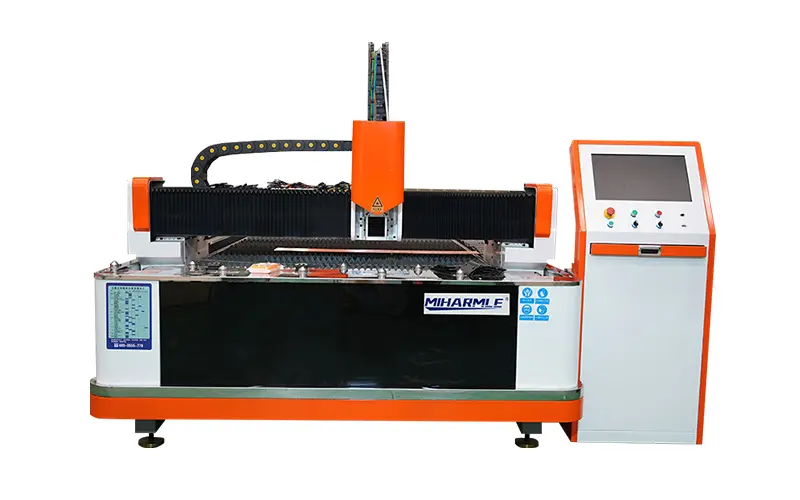
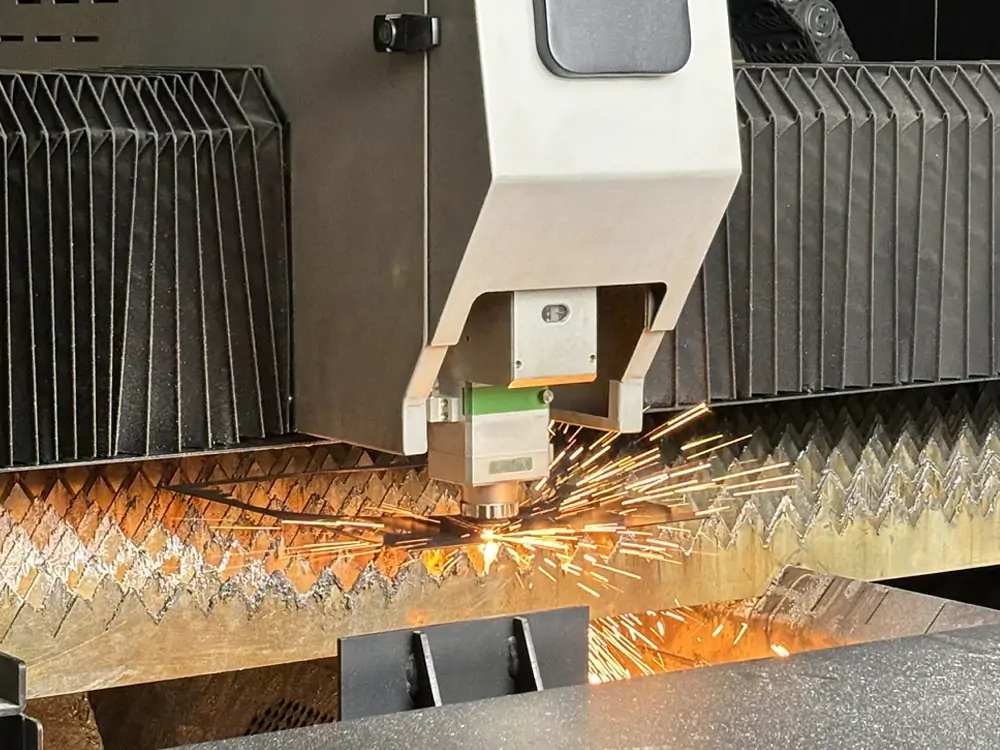
A laser cutting machine directs a high‑power laser beam to cut, mark, or engrave many different materials. These include wood, glass, metal, plastic, and others. The beam’s energy is concentrated into a tiny spot by directing it through mirrors and then through focusing lenses. As it hits the surface, it heats, melts, and vaporizes the material, cutting or marking it precisely. While a CNC program controls all the machines’ actions, the resulting cuts are clean, producing minimal material waste. Depending upon the application, manufacturers may use different types of:
- laser source
- optics to direct the beam
Hence, it depends on the material being cut. There are various types of laser cutting machines, each with different cutting capabilities, power, and features. This obviously results in different pricing for each one of them.
How Much Will a Laser Cutting Machine Cost?
In short, laser cutting machine prices can vary widely because the final cost depends on the machine’s type, capabilities, size, and features. Prices range from $500 to over $1 million, from beginner models to industrial machines.
The type of laser cutting machine has a significant impact on the price. Three main types of laser machines are used in the industry, which are:
- Diode laser cutter
- CO2 laser cutter
- fibre laser cutter
A compact diode laser cutter, or a small desktop model, starts at $500 to $ 3,000. The higher industrial model, such as high-power fibre laser cutters for cutting thick sheet metal, can cost around $200,000 to $1 million.
When it comes to the common and most favourable choice for medium-level work, the CO2 laser cutting machine wins! This is because they are suitable for cutting and engraving a wide range of materials.
It is important to note that when choosing any type of laser cutter, pricing may be affected by other factors as well. These include the brand value, automation features, wattage, and regional market conditions.
Factors Affecting the Price of Laser Cutting Machines
Laser type
One of the key price drivers is the laser type. It is because it serves as the primary feature, while each technology is built for different materials and duty levels. There are a variety of laser types, such as:
- Fiber laser
- CO2 laser
- Diode laser
- Solid-state laser and UV lasers
Each of them has varying capacities and characteristics, suitable for different materials. For example, fibre lasers and CO₂ machines are commonly preferred choices. However, fibre laser machines are usually the most expensive category. They are highly efficient, widely used for metal cutting, and are known for low maintenance.
In comparison, CO2 lasers are often priced lower than fibre lasers. They are commonly used for non‑metals like wood and acrylic (and some thin metal in certain setups). Diode laser machines, on the other hand, are typically the lowest-cost option. They are best for beginners or hobbyists and are low-powered. Mainly, they are used for light cutting and engraving tasks.
Solid-state lasers and UV/Green models are high-priced, premium machines. Solid-state laser cutting machines offer high precision and are used in higher-end industrial applications. UV/Green lasers are designed for ultra‑fine, “cold” processing, where heat damage must be minimized. These specifications define the high price of these machines, and they are usually used in applications like FPC/PCB processing, ceramics, glass or chip-related work.
Power
Higher laser power increases the machine price. Higher power means a higher machine speed. It also supports efficient operations and expands thickness capability. But as the laser source power increases, the cooling, cutting head, and supporting electronics may also be strong enough to handle more energy and heat.
Many suppliers also position higher-power machines as industrial equipment. For instance, a 1500 W fibre laser will be enough for cutting thin sheet metals. It may cost you up to $300. A high-end industrial model may have a power rating of up to 6000 W and cost hundreds of thousands of USD, with heavier frames and upgraded components that add to the cost.
Cutting Speed
As with power, cost is proportional to cutting speed. High cutting speeds require a rigid frame, precise linear guides, and high‑grade servo motors. This overall increases the pricing. High cutting speed means high productivity. Fast machines reduce cutting time per part and can lower the cost per unit. So, manufacturers charge more for this productivity advantage. These machines are equipped with advanced motion control systems. They support stable, high‑speed cutting and increase the initial price, but can improve long‑term return on investment.
Work Table Size
The work table size tells you the length the laser cutting machine can accommodate. The Work Table Size is usually the area where work is performed. So, machines with a large worktable can be used for longer workpieces while also accommodating small batches simultaneously.
Usually, a bigger working area requires more steel structure, longer guides, stronger drives, and often higher power. This ultimately increases production costs and, in turn, the selling price. It is important to note that the buyer must balance table size with floor space, material size, and budget. It will help them avoid paying for unused capacity.
Brand
You can find two types of brands when searching for laser cutting machines:
- Internationally recognised brands: They have a high-end manufacturing line with strong R&D capabilities. Their products offer stricter quality control, ensuring high precision and stability. Additionally, they have a stronger after‑sales service and global support networks.
- Local or emerging brand: Though you might get competitive pricing, their technical support and long-term reliability may not be as strong.
Types of Laser Cutting Machines

Entry-level machines
These machines are beginner-friendly, compact, and basic. Usually, they come in desktop or floor-standing units that range from diode cutters to small CO₂ units and are best suited for hobbyists or small tech studios. With easy installation and simple operations, they have a lower purchase price. However, they possess reserved features and cutting capability.
Price (typical): $300–$4,000
- Entry-level diode cutters: $300–$1,000,
- Small CO₂ units: $500–$4,000 (for wood and similar materials)
Features:
- Compact worktable size
- Simpler motion system and controls.
- Metal cutting thickness of a few millimetres
- Easy installation with a manual and a basic interface
- less efficient with restricted, low-volume tasks
Applications: Used for light engraving and cutting tasks( for non-metals). They are used in prototypes, school labs, and hobby work on wood, paper, leather, and some plastics.
Mid-range machines
Laser cutter machines in this category are usually higher-powered CO2 cutters or basic fibre laser cutters. These models fit mid-sized manufacturing facilities and processing centres. You get the right combination of automation features and price, which is suitable for mid-scale production. Mid-priced laser cutting machines can easily cut thicker non-metals and thin metals. This category is vast, so when choosing these machines, businesses must evaluate their specific needs.
Price (typical): $2,000–$70,000
Basic desktop or small-shop CO₂ machines: $2,000– $ 5,000
larger CO₂ systems to basic fibre laser models: $15000 – $70,000
Features:
- Ability to cut metals and non-metals
- A more rigid frame for better stability.
- Large worktable size to accommodate a range of materials.
- More stable cutting and engraving on longer runs.
- more automation features and a professional software interface
- Commonly available as enclosed designs for safer use.
Applications: These machines are best suited for mid-sized manufacturing facilities and processing applications. They can easily cut acrylic and wood products. Additionally, they are used in model making, bulk keychain production, etc.
Industrial-grade machines
These machines excel in both features and structure. Industrial-grade machines have a robust structure and are made from high-quality, heavy-duty steel. At the same time, you can see all the necessary automation features and advanced control software. These are usually CNC models that possess a high-powered laser (10,000 to 30,000 W).
Price (typical): $30,000 to $100,000+
Features:
- Built for high uptime and continuous industrial duty.
- Higher cutting speeds on metals.
- Higher precision and stability at production settings.
- Higher-power laser sources are available.
- Industrial controls and stronger motion systems.
- Optional automation (e.g., loading/unloading or dual tables) that increases costs.
Applications: Used for sheet metal fabrication, industrial job shops, and manufacturing lines cutting stainless steel, carbon steel, and aluminum at high throughput.
Conclusion
With several factors influencing the laser cutting machine prices, you can see a wide range of variations. So, it is always best to evaluate your needs and do thorough market research before you purchase.
When purchasing these machines, do not only consider the price; other hidden costs open up at the time of purchase. These include shipping, installation, training individuals and staff, ongoing consumables, maintenance, and others. When these costs are overlooked, it can lead to budget overruns. Additionally, there can be unexpected downtime and a much higher total cost of ownership over time. So, select carefully and always ask your manufacturer for clear cost information.