Introduction
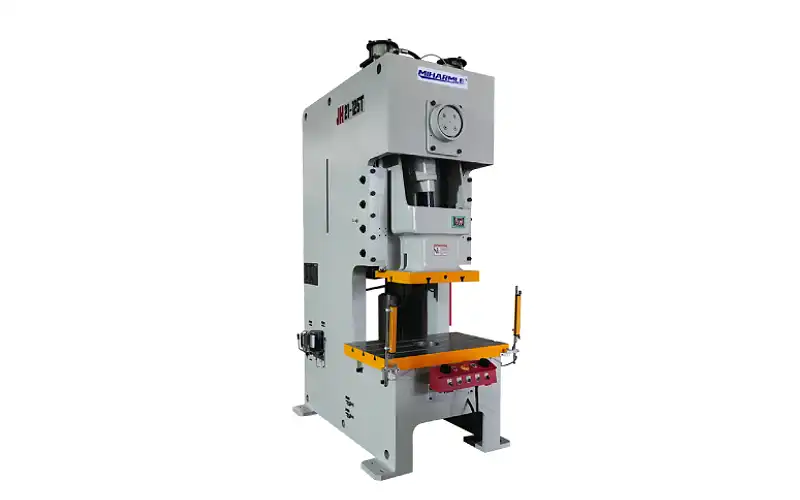
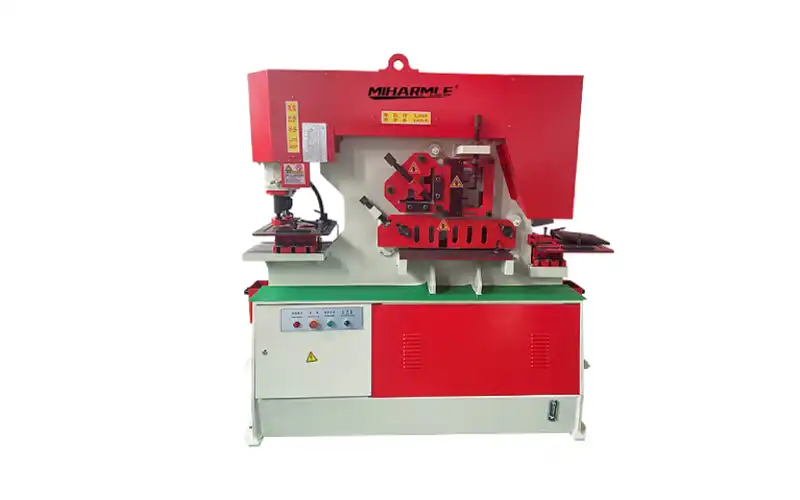
A power press is a device used to form metal sheets. The device operates on metals by performing activities such as cutting, forming, punching, and pressing them into different shapes. These devices are very powerful and fast, which makes them ideal for manufacturing automobile components, kitchenware, and metal boxes.
The choice of the appropriate type of power press machine depends on the work to be done. This article highlights some considerations to keep in mind when choosing one.
Types of Power Press Machine
Firstly, identify the type of power press machine best suited to the work. There are three types of power presses available, each with a different use.
· Mechanical Power Press Machine

In a mechanical power press, a flywheel is used together with a crankshaft to provide up-and-down action. Mechanical power presses operate at high speeds and can perform tasks requiring frequent repetition, such as stamping or punching metal. They are highly fast and powerful and preferred by factories.
· Hydraulic Power Press Machine
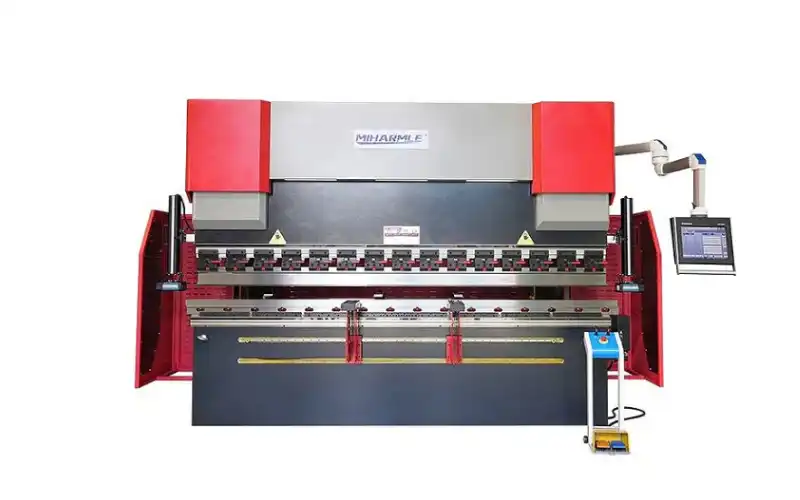
A hydraulic power press is a machine that uses oil and cylinders to generate power. This machine can be used for work that requires a finer approach, such as bending metal plates and cutting deeper shapes. The car and aircraft manufacturing industries use hydraulic power presses for their high-pressure work.
· Pneumatic Power Press Machine
The pneumatic power press machine operates on air pressure. This machine is lighter and less bulky compared to other machines. Pneumatic presses are useful in small workshops for light tasks, such as making jewelry.
Check the Tonnage Capacity
Tonnage refers to the amount of force that a power press machine can generate. These machines may weigh as little as 10 tons or as much as 100 tons. Choose a tonnage suitable for your task.
Lighter tonnage works better on thinner metal, such as aluminum. Thicker metals (such as steel) require higher tonnage. Too much tonnage is wasteful, while inadequate tonnage cannot complete the task at hand.
The choice of the right power press depends on the metal thickness and the work to be done.
Look at the Size and Bed Length
The bed length determines the maximum size of the metal sheet that can be cut on the machine. Longer beds accommodate bigger metal sheets. Smaller plants usually prefer smaller machines since they occupy less floor space.
Die size should also be considered. Larger dies require more space. Users should measure the metal and die before purchasing the power press.
Check Speed and Stroke Length
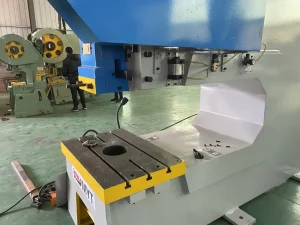
Machine speed is the rate at which the power press operates. For the most part, a mechanical press is generally faster than a hydraulic press. Larger jobs require machines to work faster in factories.
Stroke length refers to how far the press moves up and down. Longer strokes are better for deep bending and forming; shorter strokes are for punching and blanking.
The press should be fast but controllable. If used improperly, it may even damage the metal parts.
Safety Features Matter
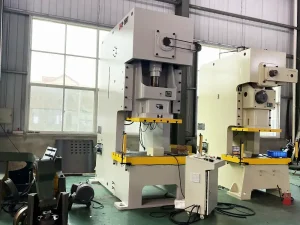
It is important to note that safety is paramount when operating a power press machine. The best machines are those that provide the operator with safety. They include:
- Emergency stop buttons
- Two-hand operation systems
- Safety devices
- Light curtains with infrared detectors
Factories should also check if the control panel is simple and easy to use.
Conclusion
To select the most appropriate power press machine, one should consider the type of metal and its production quantity. In fast operations, mechanical presses can be used. If the metal is thick and accurate bending is required, hydraulic presses are used.
The factors to consider when making the purchase include strength, stroke, and bed size. An appropriate power press will help you perform efficiently without any problem.