
What is a Press Brake?
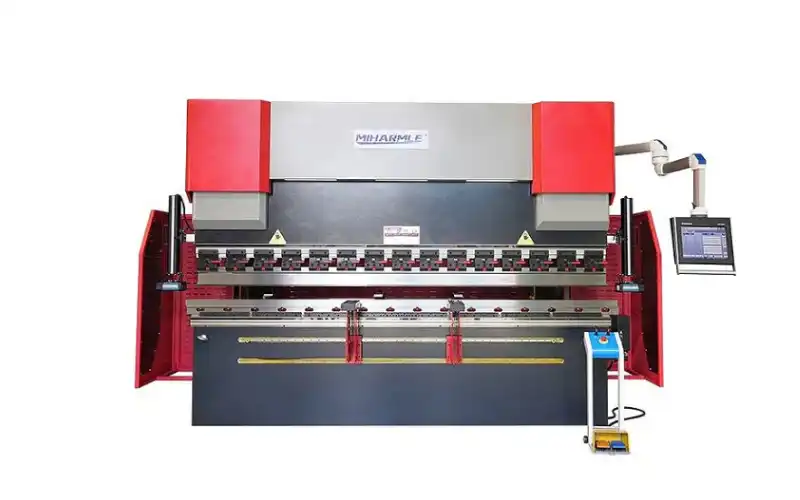
Press brakes are manufacturing devices that bend metal. They are used to produce accurate bends on sheet metal. A press brake comprises a ram, punch, bed, die, and power assembly.
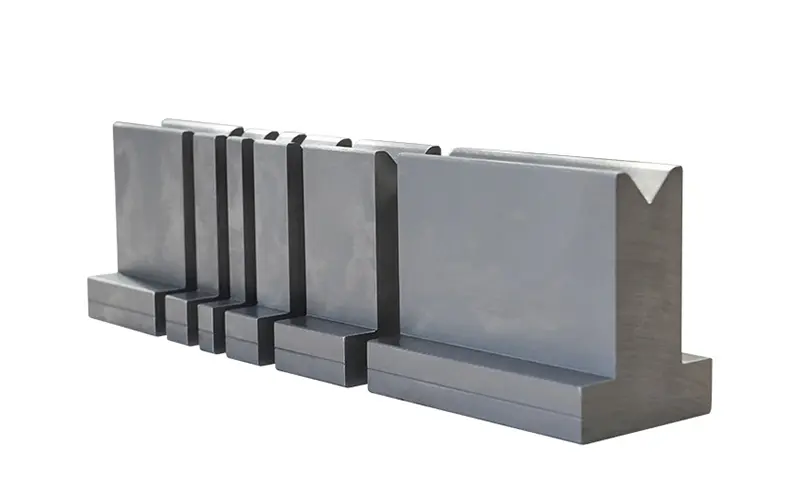
The working principle of the press brake is relatively simple. The punch pushes down on the metal sheet, forcing it into the die. The profile of the punch and die plays a crucial role in deciding the bending angle. Press brakes can bend ductile metals like aluminum and stiffer metals like stainless steel.
In the metal manufacturing industry, press brakes provide multiple benefits. They produce accurate bends with minimal waste. They simplify complex bending procedures and automate the process of metal forming.
Types of Press Brakes
In modern manufacturing, press brake machines are precision equipment for metal processing. They can be classified in many ways depending on their drive method and working principle:
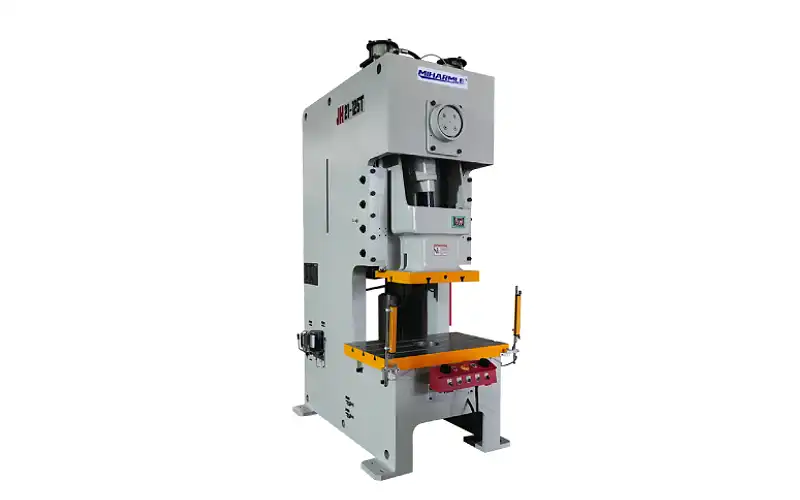
- Mechanical Press Brakes: Mechanical press brakes generate power via a flywheel and motor. The electric motor powers the flywheel, enabling the vertical movement of the ram. A clutch controls the ram’s movement. Metal workshops often use mechanical presses to bend metal sheets. They are efficient at straightforward bending tasks and can manufacture parts such as panels, enclosures, and brackets. They are simple in construction, affordable, and easy to maintain.
- Hydraulic Press Brakes: Hydraulic press brakes use hydraulic oil to generate bending force. A hydraulic pump transfers pressurized liquid into the cylinders. The pistons in the cylinders push outwards, driving the ram downwards. Hydraulic press brakes can generate great tonnage; hence, they are ideal for high-strength materials. They can process large metal sheets into plates, panels, and busbars. Hydraulic press brakes are accurate, quick, and versatile. Relying on a hydraulic system also reduces electricity bills.
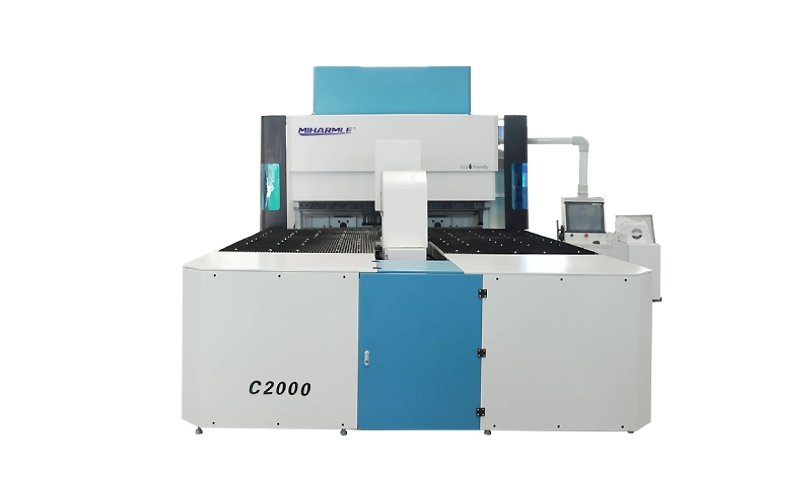
- CNC Press Brakes: Computer systems and control panels are the mode of operation in a CNC press brake. They offer a great amount of automation. Computerized operations mean technicians no longer rely on manual labor. CNC press brakes are set up with simulation software. They help in identifying optimal bends and potential errors. CNC press brakes are used to manufacture complex parts due to their high programmability. CNC brakes in the electronics industry manufacture computer panels, hardware devices, and cabinets.
Applications of Press Brake

Press brakes easily and precisely achieve metal forming goals, benefiting multiple industries. In the following sectors, press brakes simplify production and boost factory output.
Automotive Industry
In the automotive industry, the brakes are essential for the creation of body panels, chassis parts, and structural elements which are all made from sheets of steel and aluminum.
Hydraulic CNC press brakes specialize in bending long and complicated shapes. Their sophisticated curvature-correction systems address material deformations and maintain precise angles. This makes the production of cars, trucks, and buses easier while also improving their structural integrity.
Moreover, press brakes can make automotive parts such as hoods, bumpers, roof racks, spoilers, doors, and even interior trim.
Construction and Decoration
The developing architecture and interior designing industries utilize sheet metals widely. All types of metals, including aluminum, copper, stainless and carbon steels, can be converted into beams, columns, stairs, frames, chandeliers, cabinets, and exposed air ducts using a press brake.
Modern architecture and design get a boost with high-tech CNC press brakes. They seamlessly integrate functionality and style. Custom, efficient design occurs by cutting waste and labor costs. It also involves the programmable bending of flanges, radii, and angles.
HVAC Industry
HVAC systems use press brakes to fabricate high-quality ducts, vents, pipes, and equipment housings. This includes using steel, copper, and aluminum. This ensures the refrigerants flow smoothly and the connections remain secure.
Besides bending, a press brake can also perform:
- Flange reinforcement
- Tight hem
- Roll
- Stamp
With these components, the components made will be leakproof and vibration-resistant. This contributes to improving the quality and longevity of an HVAC system.
Industrial Equipment
In the $113 billion B2B market, press brakes enhance heavy machinery production. They form the outer shells of cranes, robotic arms, tanks, and milling machines. Also, they make supports, hinges, and grooved platforms for industrial vehicles. Press brakes are versatile tools that support a wide range of products. They cut labor and operating costs while delivering strong, reliable parts. This helps meet the efficiency and durability needs of large operations.
Aerospace
Precision manufacturing is key in aerospace. Press brakes transform aluminum and titanium sheets into essential components such as engine casings, wing assemblies, and supports. This is clearly shown in SpaceX’s Starship prototype. Heavy-duty hydraulic CNC press brakes provide precise bending, even under tough conditions like stress, corrosion, and heat. They help speed up prototyping and lower R&D costs. This also boosts small-batch testing for aircraft and spacecraft innovations.
Medical Equipment Manufacturing
Medical device manufacturing includes:
- Diagnostics like CT and MRI scanners
- Therapeutics such as wheelchairs and hospital beds
- Surgical instruments like forceps and scalpels
- Life support systems
All these need top-notch quality and must meet strict standards.
High-tonnage CNC hydraulic press brakes automatically shape stainless steel and aluminum. They create frames, handles, and housings. This reduces costs and speeds up production cycles for precision instruments. Plus, they help maintain patient hygiene and reliability.
Catering Industry
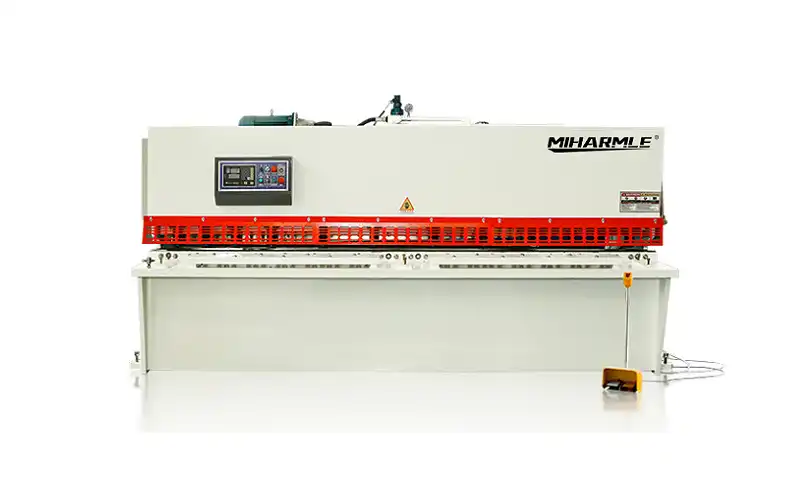
Press brakes have changed the foodservice and kitchenware industries. They help small manufacturers produce aluminum and steel items such as cutlery, trays, folding furniture, grills, ovens, and microwaves. This process is both cost-effective and precise. Combining press brakes, 3D printing, and shearing lets us quickly produce appealing prototypes, such as coffee machines and trash cans. This innovation enhances product variety, increases sales, and meets diverse consumer preferences in a competitive market.
Container Industry
The booming container industry uses press brakes to bend weathering steel and aluminum sheets. They shape these materials into front and rear panels, chassis, top panels, and side panels. All of this is done according to international standards. Hydraulic CNC press brakes use shearing, stamping, and welding. This ensures strong connections between flanges and angle steel. The result? Robust, durable, and corrosion-resistant structures. All parts go through strict quality checks. This guarantees safe and efficient transport by sea, rail, or road.
Conclusion
As seen in the numerous applications above, press brake machines have benefited multiple industries. They automate the bending process, thereby increasing efficiency and productivity. CNC press brakes enable manufacturers to produce small parts with complex bends; hydraulic press brakes increase production speed; and mechanical press brakes are versatile and suitable for both small and large factories.
Because of the wide range of applications, press brakes can boost your business, whether you are a parts supplier or a product manufacturer. Want to purchase a high-quality press brake today? Contact our professional team now for expert guidance!