
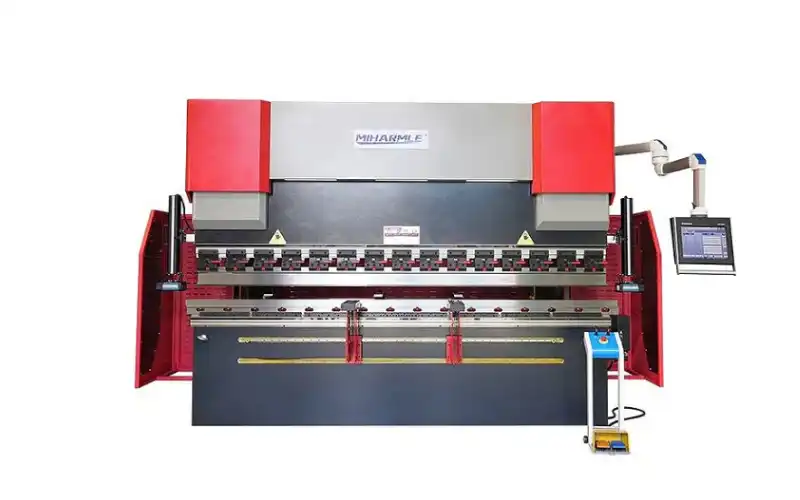
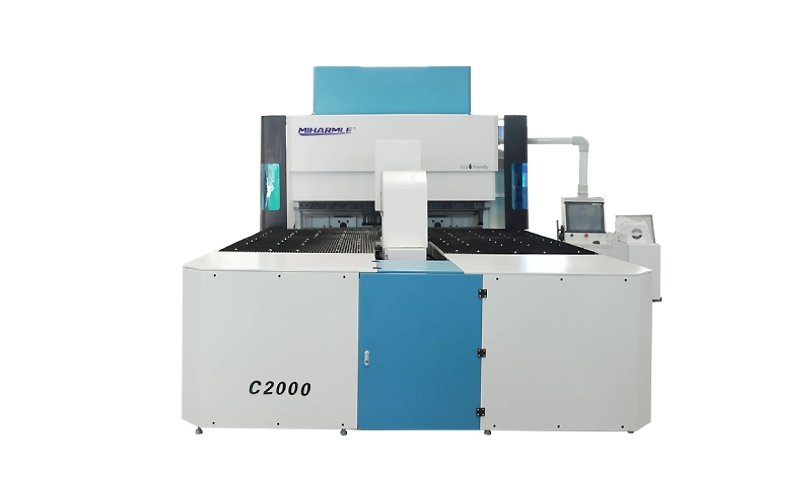


Bending is one of the most important tasks in many industries. It is used to make different things, from small brackets to large machine parts. To make this bending easier, electric press brakes are a very reliable option. They press and bend flat metal sheets to the required angle. However, not every press brake can bend every type of metal. Thin sheets are easier to bend than thick ones, so they require different amounts of force. That’s where the press brake’s tonnage comes in. So the question arises: What tonnage do you need for an electric press brake? If it feels technical, worry not! In this guide, I will explain what tonnage is, what tonnage you need, and how to calculate it. So let’s get started.
What Is Tonnage in an Electric Press Brake?
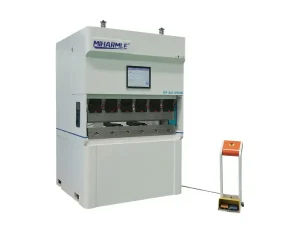
The amount of force an electric press brake can apply to bend the metal sheet is called its tonnage. It means how much pressure the machine can put on a metal sheet during bending. A higher-tonnage machine usually handles thicker or stronger metal, and vice versa.
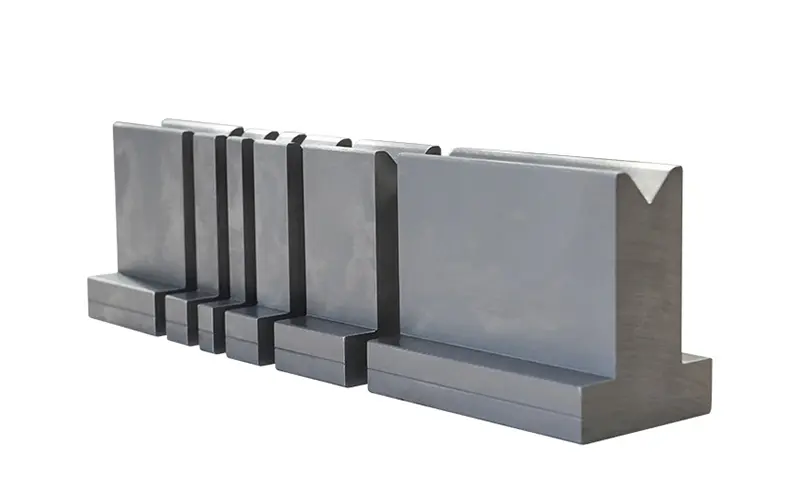
So basically, a press brake’s tonnage is the maximum force it can apply. But not every metal sheet needs equal tonnage. Suppose there is a thin metal sheet. You will probably bend it without much effort. However, if there is a thick metal piece, it will require more force to bend. The same applies to an electric press brake. It uses two tools called a punch and a die. The metal piece is placed between these two tools.
The punch moves down and presses the metal into the die. This helps form the required bend. However, during this process, the press brake needs enough force to shape the material. That force is basically the tonnage. Press brake tonnage is usually measured in tonnes-force. For example, a 50-tonne press brake has a rated bending force of about 50 tonnes-force. It will have a maximum force of 50 tonnes.
But that doesn’t mean it can bend every metal sheet weighing 50 tonnes. Tonnage refers to the force used for bending, not the weight of the metal. Overall thickness, metal type, and bend length all affect the required tonnage. So, before choosing an electric press brake, consider the material, its thickness, and what you plan to bend.
Qual è la capacità di pressa necessaria per una piegatrice elettrica?
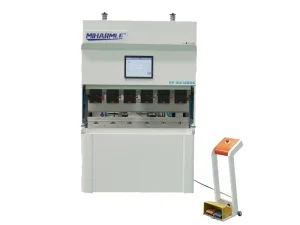
There is no fixed tonnage you need for an electric press brake. It depends on the metal type you want to bend, its thickness, and the bend length. Thin sheets usually need less force, while thick sheets need more. Similarly, stronger metals, such as stainless steel, also need more force than mild steel.
So, basically, the right tonnage depends on your actual bending job. Electric press brakes come with different tonnage ratings. Choose the one that matches your bending requirements. For example, if you need to bend a thin metal sheet, you will need a lower-tonnage press brake. But if you work with thick steel plates or long metal sheets, you will usually need a higher-tonnage press brake.
This is because you cannot bend any metal sheet without applying force. The longer the bend, the more force the machine generally needs, and vice versa. For a short bend or thin metal, using a higher-tonnage press brake can damage the sheet. Similarly, if you need a long, strong bend but the press brake has lower tonnage, you won’t achieve the required bend.
Required Tonnage Vs Rated Tonnage
Required and rated tonnage are different.
- Required Tonnage: It is the amount of force needed to bend a particular piece of metal. In other words, how much force your bending job needs. It depends on the metal’s thickness, type, bend length, and the tools used. For example, bending a thin sheet needs only a small amount of force (tonnage).
- Rated Tonnage: It is the maximum force an electric press brake can apply. It indicates the maximum force the press brake is designed to apply. For example, a press brake with a rated tonnage of 80 tonnes has a rated force capacity of 80 tonnes-force. The machine cannot apply more force than this rated tonnage.
Quick Highlight: When choosing the press brake, always check its rated tonnage. It must be sufficient for the required tonnage you need to bend a metal sheet. This will help you complete the job without overloading the machine or its tools.
What Factors Affect Press Brake Tonnage Requirements?
As I said above, there is no fixed tonnage for the press brake. There are many things that decide how much ultimate tonnage you need. When choosing the tonnage, you cannot just look at the machine capacity. You also have to look at the job you want it to do. Let’s discuss the factors that affect press brake tonnage and that you must consider.
1- Material Thickness
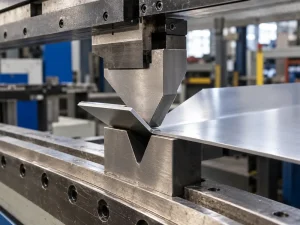
The first major factor affecting press brake tonnage is the thickness of the material you are working with. It refers to how thick the material you want to bend is. A thicker metal sheet creates more resistance. As a result, the machine has to apply more force to make the bend. Conversely, a thin metal sheet creates less resistance.
So you need less force, or tonnage. For example, bending a 3 mm mild steel sheet generally requires much less force than bending a 6 mm sheet of the same material. That’s why you should always check the metal thickness before choosing a press brake tonnage.
2- Bend Length
Bend length is the length of the line along which a metal sheet needs to be bent. This is another factor that strongly affects tonnage requirements. The machine must apply force along that line to shape the metal. Even if the material type, thickness, and bending method are the same, bend length still affects tonnage requirements. Usually, creating long bends needs more force.
For a longer sheet, the machine has to work across a greater distance to create the bend. For example, bending a one-meter length of metal might require 20 tonnes of force, while bending a 2-meter length needs 40 tonnes of force. These figures are just examples. So before choosing the press brake tonnage, first calculate how long the bend you want is.
3- Material Type & Strength
Suppose you are bending two metal sheets that have the same thickness and length. You might expect them to need the same amount of force. Right? But that is not true. One might need more force than the other. This is because of the difference in material type. Each material type has its own level of strength and resistance to bending. Take mild steel and stainless steel, for example.
Among these two metals, stainless steel is much stronger and harder. It resists bending more, so a press brake needs more tonnage. By contrast, mild steel is softer and easier to shape and bend. Even two grades of stainless steel behave differently during bending. So you can’t determine the required tonnage from the metal’s name alone. Knowing its actual strength is also crucial.
4- V-die Opening
The V-die opening is the width of the V-shaped space in the lower tool (die) of a press brake. As you know, the press brake has two tools: the die and the punch. The punch presses the die down to create a bend. The V die opens the space, giving the metal room to bend. This directly affects the press brake’s tonnage. Now, if this opening is too narrow for a sheet, the metal will need more force to take the required shape.
It means you will need a piegatrice idraulica with a high tonnage rating. On the other hand, a wider opening makes bending easier because the metal has more room to move. That’s why the tonnage requirement becomes lower. However, the widest V-die opening isn’t always best. Too wide openings create a very large inside bend radius. That means the inside bend radius becomes larger, which isn’t suitable for some applications. So before choosing tonnage, always decide what shape or bend width you actually want.
5- Bending Method
Next is the method you choose to bend the metal, which affects tonnage requirements. Even with the same metal type, thickness, and length, the bending method affects tonnage. How? Actually, three common methods are air bending, bottoming, and coining. Each one creates bends differently and requires different tonnage.
For example, in air bending, the punch presses the metal sheet into the die but not all the way to the bottom. As a result, it requires less force, so the press brake needs lower tonnage. The Bottoming works differently. Here, the punch presses the sheet more firmly against the die to form the bend. This means the press brake needs more tonnage or force.
In the end, coining uses much higher pressure to press the metal closely into the die shape. So this method requires more tonnage than the other two. The choice between these methods depends on your material type and its thickness. No matter which method you choose, make sure the press brake has enough tonnage.
6- Machine Limits
Every electric press brake has a limit on how much force it can safely apply. This is called its rated tonnage. For example, a 30-tonne press brake can provide up to 30 tonnes-force. If your metal needs more force than this limit, the press brake will not work. However, total tonnage isn’t the only limit you need to consider. The machine also has a working length.
It determines how long a sheet can bend. Some press brakes have limits on how the force is spread across that length. The punch and die also have their own force limits. For example, even if your press brake has enough total tonnage, the tools may have a lower limit, so that press brake will not be suitable for your job. So before you make the final tonnage selection for the press brake, you must check all these limits.
Methods to Calculate the Tonnage Needed for an Electric Press Brake
Now you have basic knowledge of what affects the tonnage of the press brake. Right? Now you need to know how much force your metal bending job will require. Guessing this is not good because it affects bend quality. Guesswork can also affect the press brake tooling and the metal itself. So here are some methods you can use to calculate the tonnage you need for an electric press brake.
-
Using Calculation Formula
The first common method is to use the calculator formula. This formula will help you estimate how much force is needed to bend a metal sheet. It uses details such as the sheet thickness, bend length, material strength, and V-die opening. These details affect the tonnage. So, use the following formula.
F650t2LV
Here:
- F = approximate bending force in kilonewtons (kN)
- t = material thickness in millimetres (mm)
- L = bend length in metres (m)
- V = V-die opening in millimetres (mm)
Suppose you want to bend a 3 mm thick mild steel sheet over a 1-metre length using a 24 mm V-die opening. Simply add these values into the above formula, and the final value will be the tonnage force you need for the press brake. However, this formula is only a starting point. The exact force can still vary with steel strength and other bending conditions.
-
Referring to a Tonnage Chart
The second method for calculating press brake tonnage is the tonnage chart. It is a table that shows the approximate force needed to bend different metal thicknesses. Many charts also consider the material type, bend length, and V-die opening. So with that chart, you don’t have to calculate the force yourself. Instead, you find the values that match your job and read the estimated tonnage from the chart. Here is the imperial reference chart you can use.
| Material type | Thickness | Suggested V-die opening | Tonnage per metre | For 1 m bend | For 2 m bend |
| Mild steel | 1 mm | 8 mm | 8.4 tonnes | 8.4 tonnes | 16.8 tonnes |
| Stainless steel 304 | 1 mm | 8 mm | 13.7 tonnes | 13.7 tonnes | 27.4 tonnes |
| Aluminum 5052 | 1 mm | 8 mm | 4.1 tonnes | 4.1 tonnes | 8.2 tonnes |
| Mild steel | 2 mm | 16 mm | 16.9 tonnes | 16.9 tonnes | 33.8 tonnes |
| Stainless steel 304 | 2 mm | 16 mm | 27.5 tonnes | 27.5 tonnes | 55.0 tonnes |
| Aluminum 5052 | 2 mm | 16 mm | 8.3 tonnes | 8.3 tonnes | 16.6 tonnes |
| Mild steel | 3 mm | 24 mm | 25.3 tonnes | 25.3 tonnes | 50.6 tonnes |
| Stainless steel 304 | 3 mm | 24 mm | 41.2 tonnes | 41.2 tonnes | 82.4 tonnes |
| Aluminum 5052 | 3 mm | 24 mm | 12.4 tonnes | 12.4 tonnes | 24.8 tonnes |
| Mild steel | 4 mm | 32 mm | 33.8 tonnes | 33.8 tonnes | 67.6 tonnes |
| Stainless steel 304 | 4 mm | 32 mm | 55.0 tonnes | 55.0 tonnes | 110.0 tonnes |
| Aluminum 5052 | 4 mm | 32 mm | 16.6 tonnes | 16.6 tonnes | 33.2 tonnes |
Disclaimer
The tonnage values in this chart are approximate estimates for air bending. Actual force requirements vary by material grade, thickness, bend length, and tooling. That’s why use the chart as a guide, not as a final machine setting. I recommend checking the manufacturer’s recommendations before selecting an electric press brake’s tonnage.
-
Using Online Calculators
Another effective way to calculate press brake tonnage is to use an online calculator. There are many online calculators available. They will ask for details such as the material type, sheet thickness, bend length, and V-die opening. After you enter these values, the tool estimates the required tonnage. These online calculators are handy when you want a quick answer. You just enter the data and get the estimated tonnage you should choose for the press brake.
Conclusione
Electric press brakes are precise and reliable tools for creating bends at an angle. However, they always need force, known as tonnage. When choosing press brake tonnage, many get confused. In this guide, I have discussed what tonnage you need for an electric press brake. Remember, there is no fixed tonnage. It varies with material thickness, bend length, V die opening, and machine limits. So always consider all these factors and choose the reliable press brake with the right tonnage for your job.